
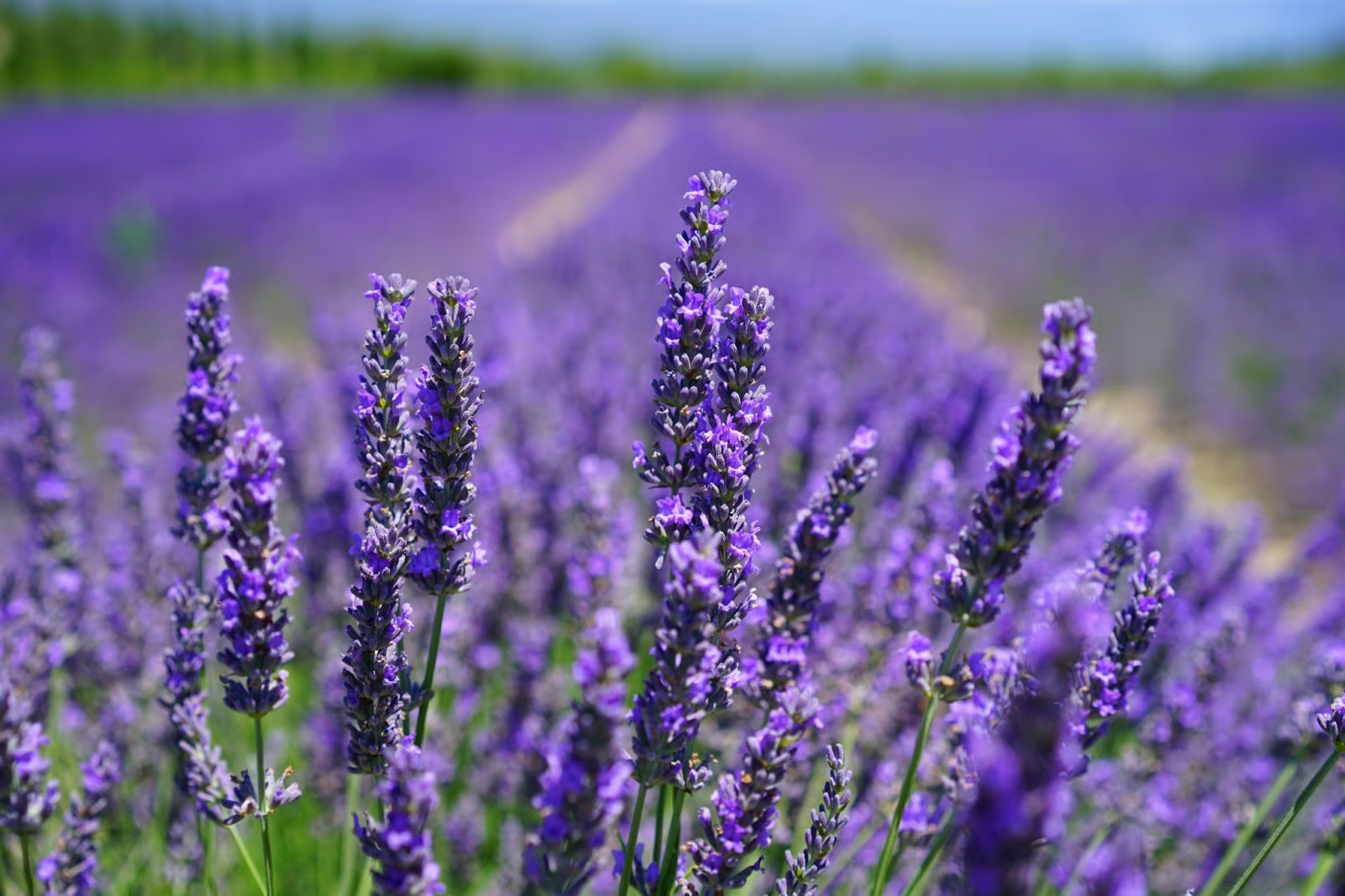
Lavender is one of the most scientifically interesting and emotionally calming plants in the world because it combines strong aromatic chemistry with deep psychological effects and wide medicinal applications, and unlike many ornamental flowers that are valued mainly for appearance, lavender is primarily known for its scent, which has been used for thousands of years in perfumes, healing oils, rituals, and relaxation therapies, making it a plant that directly interacts with the human nervous system through smell, and this unique connection between plant chemistry and human psychology makes lavender one of the most powerful natural stress-relief agents found in nature.
🌿 Botanical Structure and Growth Behavior of Lavender Plant
Lavender belongs to the genus Lavandula, which includes several species of small flowering shrubs that are typically found in Mediterranean climates, and the plant is characterized by narrow gray-green leaves, woody stems, and tall spikes of purple flowers that grow in clusters, and what makes lavender biologically efficient is its adaptation to dry, rocky soils where many other plants struggle to survive, as it has developed deep root systems that allow it to access underground water sources while its small leaves reduce water loss through transpiration, making it a highly drought-resistant plant that thrives in harsh environmental conditions while still producing abundant aromatic flowers.
🌸 Chemical Composition of Lavender and Its Strong Fragrance
The fragrance of lavender is produced by a complex mixture of volatile organic compounds, mainly linalool, linalyl acetate, camphor, and terpenes, which are released into the air when the flower is disturbed or heated, and these compounds interact directly with the olfactory system in humans, stimulating receptors in the brain that are linked to relaxation and emotional regulation, and what makes lavender unique is that its scent is not just pleasant but biologically active, meaning it can influence heart rate, stress levels, and even sleep quality, making it one of the few plants in the world with scientifically proven effects on human mental and physical states.
🧠 Psychological Effects of Lavender on Human Mind
Lavender has a strong influence on the human nervous system because its aroma interacts with the limbic system of the brain, which controls emotions, memory, and stress responses, and when lavender scent is inhaled, it can help reduce cortisol levels, lower anxiety, and promote a sense of calmness and emotional stability, which is why it is widely used in aromatherapy, sleep therapy, and relaxation treatments, and studies have shown that lavender oil can improve sleep quality in people suffering from insomnia, reduce mild anxiety symptoms, and even enhance mood in stressful environments, making it one of the most scientifically recognized natural mood regulators.
🌱 Life Cycle and Growth Process of Lavender Plant
The life cycle of lavender begins with seed germination or vegetative propagation through cuttings, where the plant first focuses on establishing a strong root system before developing woody stems and narrow leaves, and as it matures, lavender produces tall flowering spikes during its blooming season, usually in late spring or early summer, and these flowers attract pollinators such as bees and butterflies, and once flowering is complete, the plant enters a pruning phase where it can be trimmed to encourage denser growth in the next cycle, and this repeated seasonal growth pattern makes lavender a long-lasting perennial plant that can survive for many years under proper care.
🌍 Cultural and Historical Importance of Lavender
Lavender has been used by human civilizations for thousands of years, dating back to ancient Egypt, Rome, and Greece, where it was used in bathing rituals, perfumes, and medicinal treatments, and the word lavender itself is derived from the Latin word “lavare,” meaning “to wash,” reflecting its historical use in cleansing and purification practices, and in medieval Europe, lavender was used in households to repel insects and purify air, while in modern culture it is widely used in spa treatments, perfumes, essential oils, and wellness products, showing how its cultural importance has evolved from ancient hygiene practices to modern psychological and therapeutic applications.
🧪 Medicinal and Therapeutic Uses of Lavender
Lavender is widely used in herbal medicine and modern aromatherapy because of its anti-inflammatory, antibacterial, and calming properties, and lavender oil is commonly applied to treat minor skin conditions, headaches, and muscle pain, while lavender tea is used to reduce anxiety and promote relaxation, and in clinical studies, lavender has shown potential benefits in improving sleep quality and reducing mild depressive symptoms, making it one of the most researched and widely used medicinal plants in natural healthcare systems, bridging the gap between traditional herbal knowledge and modern scientific validation.
🐝 Ecological Role of Lavender in Nature
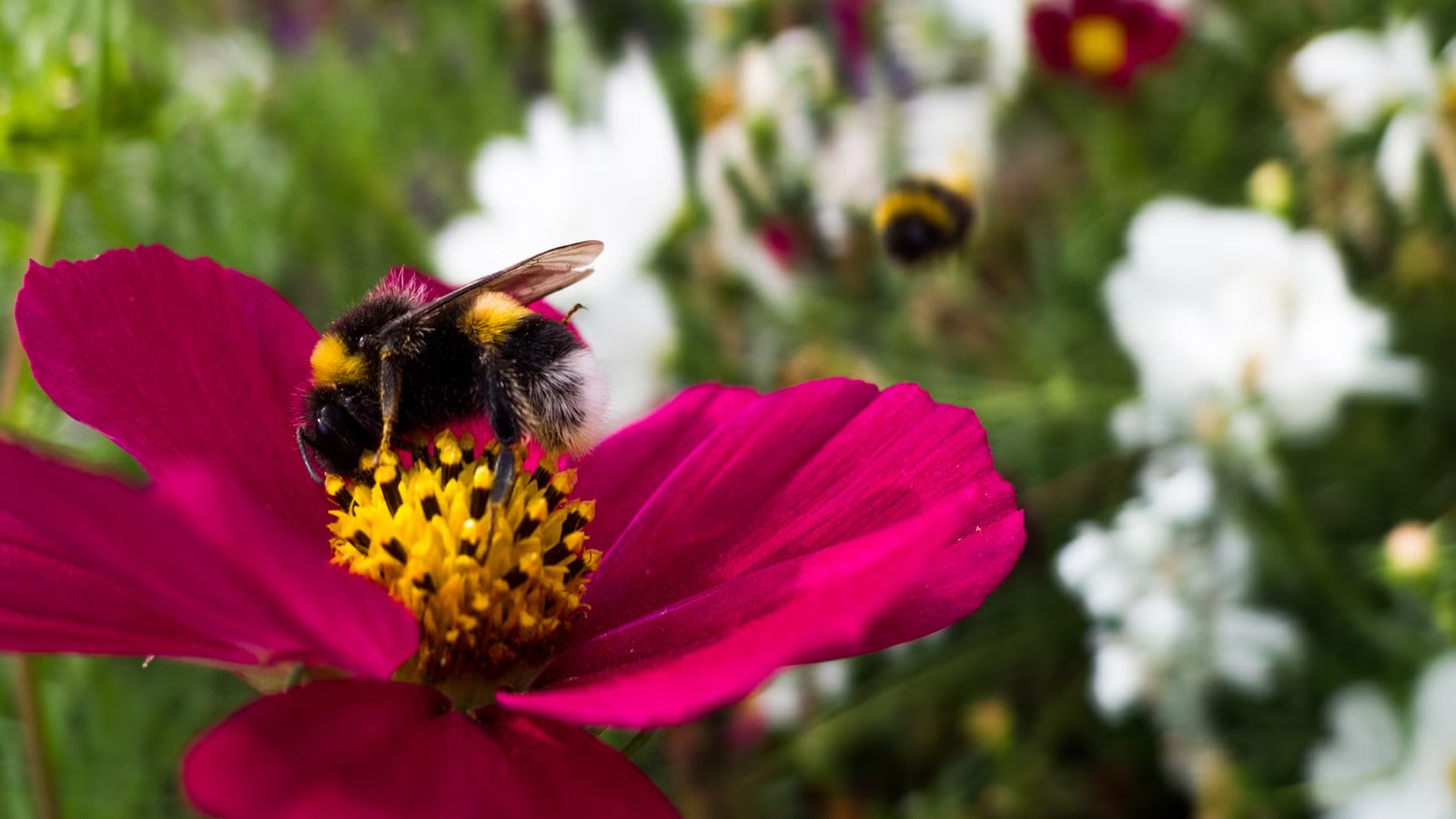
Lavender plays an important role in supporting ecosystems because its flowers attract a wide variety of pollinators, especially bees, which rely on its nectar as a food source during blooming seasons, and lavender fields are often rich biodiversity zones where insects, birds, and other small organisms interact, and additionally, lavender can help improve soil stability and reduce erosion in dry environments, making it not only a useful agricultural crop but also an environmentally beneficial plant that supports ecological balance and biodiversity.
🌸 Conclusion
Lavender is far more than just a fragrant flower because it represents a unique combination of biological adaptation, chemical complexity, psychological influence, and cultural history, and its ability to calm the human mind, support ecosystems, and thrive in difficult environments makes it one of the most valuable and multifunctional plants in the natural world, showing how deeply interconnected plant chemistry and human experience truly are.
❓ FAQ
1. Why does lavender smell so strong?
Because it contains volatile aromatic compounds like linalool and linalyl acetate.
2. Is lavender good for sleep?
Yes, studies show it can improve sleep quality and reduce insomnia symptoms.
3. Can lavender grow in hot climates?
Yes, it thrives in dry, sunny, Mediterranean-like environments.
4. What is lavender mainly used for?
It is used in aromatherapy, perfumes, skincare, and herbal medicine.
5. Is lavender scientifically proven to reduce stress?
Yes, research shows it can reduce anxiety and cortisol levels.

Leave a Reply