
Many flowers open during the day and close at night, creating a daily rhythm that looks almost like sleep. This behavior is not random. It is a controlled biological response to environmental conditions, pollinator activity, and energy conservation. Although flowers do not “sleep” like animals, they follow internal timing systems that regulate opening and closing patterns.
This daily movement is part of a broader phenomenon called circadian rhythm, which exists in many living organisms, including plants.
WHAT IS CIRCADIAN RHYTHM IN FLOWERS?
Circadian rhythm is an internal biological clock that helps plants track time over a 24-hour cycle. It allows flowers to respond to day and night changes even without direct environmental signals.
This internal clock controls:
- Flower opening and closing
- Nectar production levels
- Scent release timing
- Leaf movement in some species
Even in constant darkness, many flowers continue their opening and closing cycles for some time.
WHY FLOWERS CLOSE AT NIGHT
One of the main reasons flowers close at night is to protect their reproductive structures. Nighttime conditions can be colder, wetter, and less stable, which may damage delicate parts of the flower.
Closing at night helps:
- Protect pollen from moisture
- Reduce heat loss
- Prevent damage from nocturnal insects
- Conserve energy
This increases the flower’s chances of successful reproduction.
HOW POLLINATORS INFLUENCE FLOWER BEHAVIOR
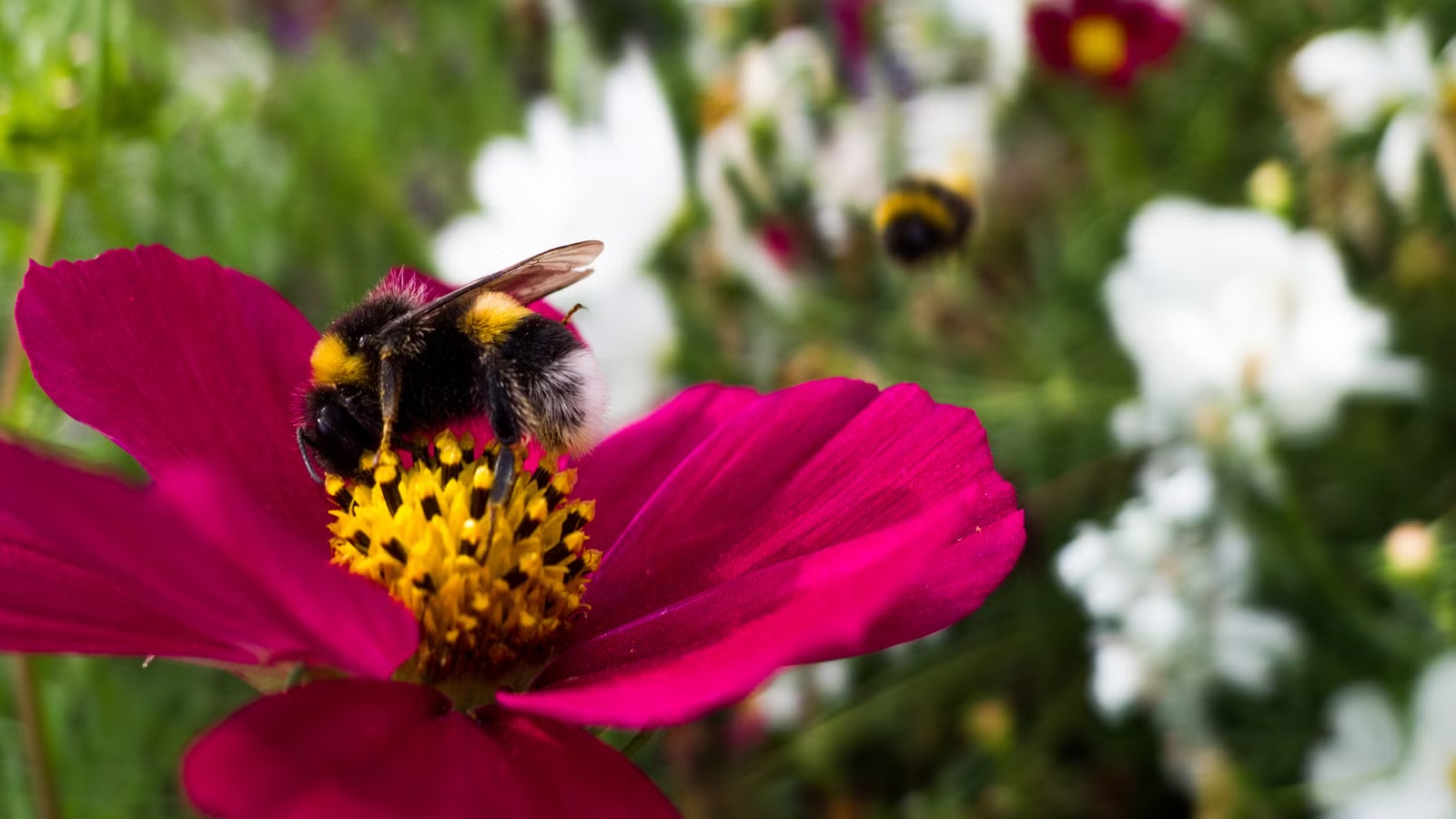
Flowers often align their opening times with the activity of their pollinators. If a flower is mainly pollinated by bees, it will open during the day. If it is pollinated by moths or bats, it may open at night instead.
This synchronization ensures:
- Maximum pollination efficiency
- Reduced energy waste
- Better reproductive success
Flowers essentially “schedule” their activity based on pollinator behavior.
HOW LIGHT CONTROLS FLOWER MOVEMENT
Light is one of the strongest environmental signals affecting flower behavior. Cells in the flower detect changes in light intensity and trigger movement.
When light decreases:
- Cells on one side expand or contract
- Petals fold inward
- Flower closes gradually
This response is purely biological and does not require conscious control.
WHY SOME FLOWERS NEVER CLOSE
Not all flowers follow the opening-closing cycle. Some remain open continuously until they are pollinated or wither.
These flowers usually:
- Depend on constant pollination sources
- Live in stable environments
- Do not rely on precise timing
Their structure is adapted for continuous exposure.
HOW TEMPERATURE AFFECTS FLOWER CLOSING
Temperature plays an important role in flower movement. Many flowers close when temperatures drop at night.
This helps:
- Prevent frost damage
- Protect reproductive organs
- Maintain internal moisture balance
Cold-sensitive flowers are especially responsive to temperature changes.
HOW FLOWERS SAVE ENERGY BY CLOSING
Opening flowers requires energy. By closing at night, plants reduce unnecessary metabolic activity.
Energy-saving benefits include:
- Lower water loss
- Reduced metabolic rate
- Protection of internal structures
This makes daily closing an efficient survival strategy.
EXAMPLES OF FLOWERS THAT CLOSE AT NIGHT
Many well-known flowers follow this pattern, including:
- Tulips
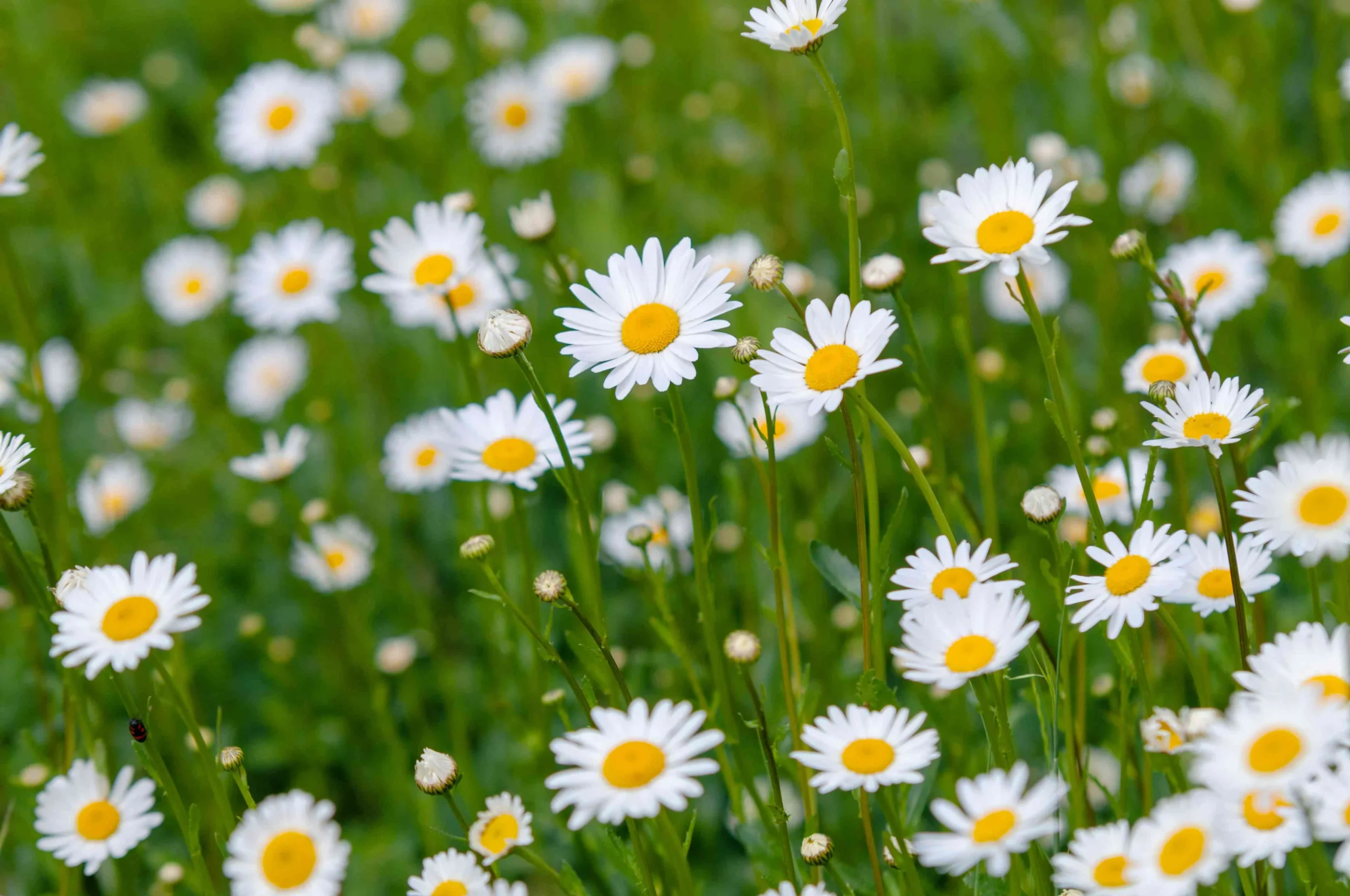
- Daisies
- Morning glory (opens early, closes later in day)
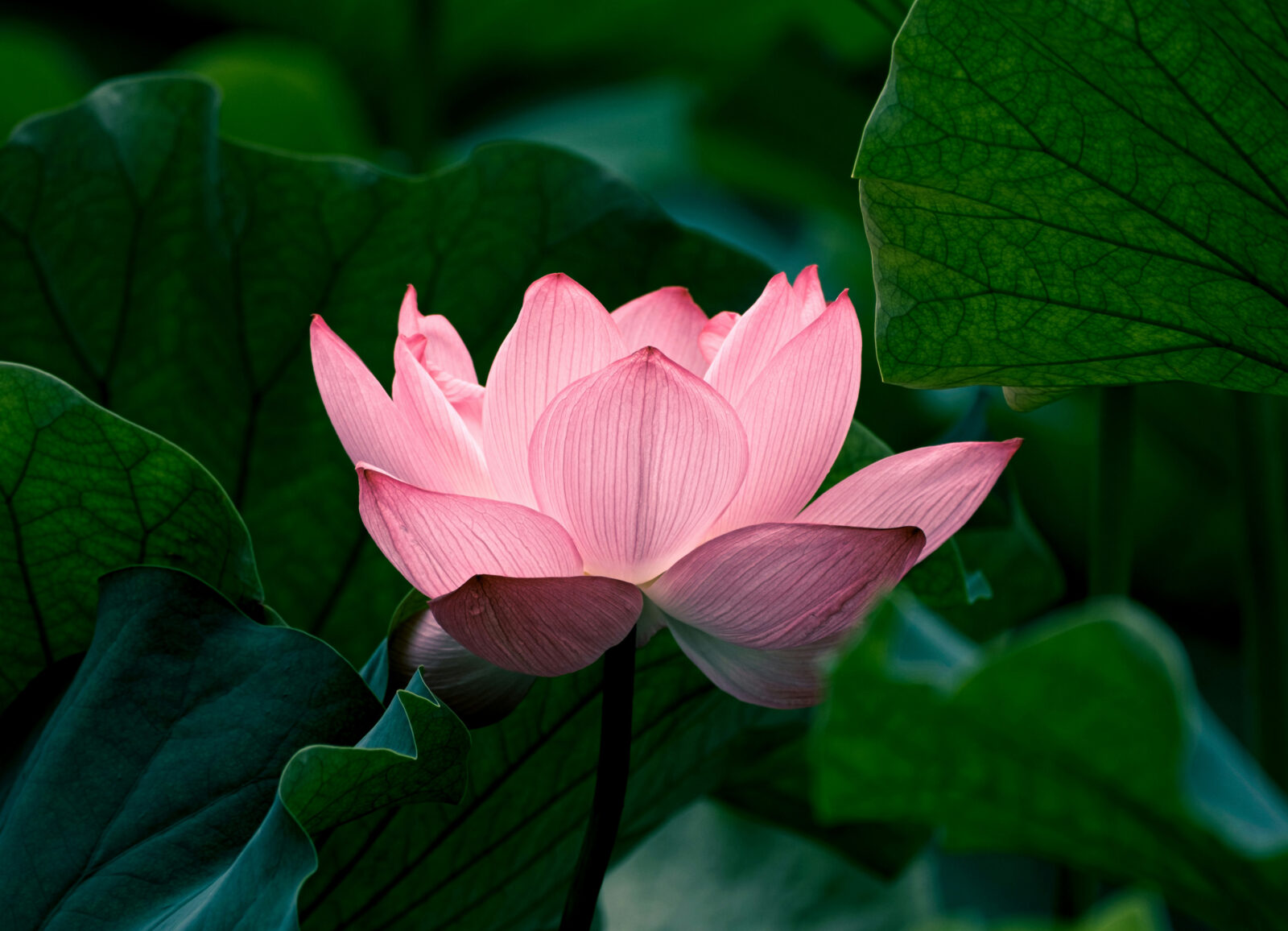
- Water lilies (close at night and reopen in morning)
Each species has its own timing mechanism.
HOW FLOWERS “KNOW” WHEN TO OPEN AGAIN
The internal clock resets daily based on environmental cues like sunrise. Light triggers hormonal changes that reopen petals in the morning.
This process is controlled by:
- Light-sensitive proteins
- Hormonal shifts
- Internal genetic cycles
These systems work together to maintain rhythm.
FINAL THOUGHTS
Flowers close at night as part of a natural survival strategy controlled by internal clocks and environmental signals. This behavior protects reproductive structures, saves energy, and aligns flower activity with pollinator behavior.
What looks like sleep is actually a precise biological timing system that helps flowers survive and reproduce more effectively in changing day-night conditions.0

Leave a Reply