
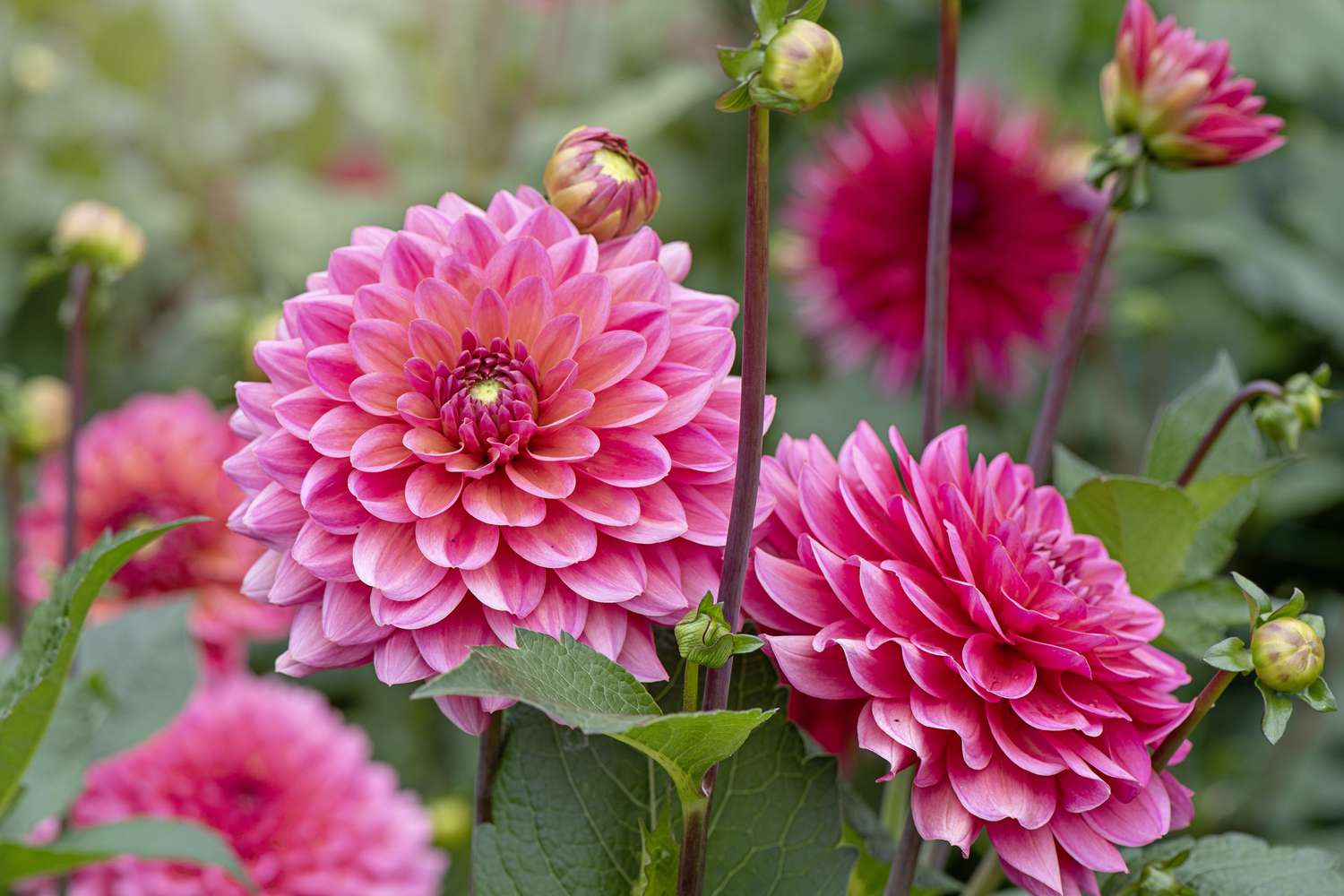
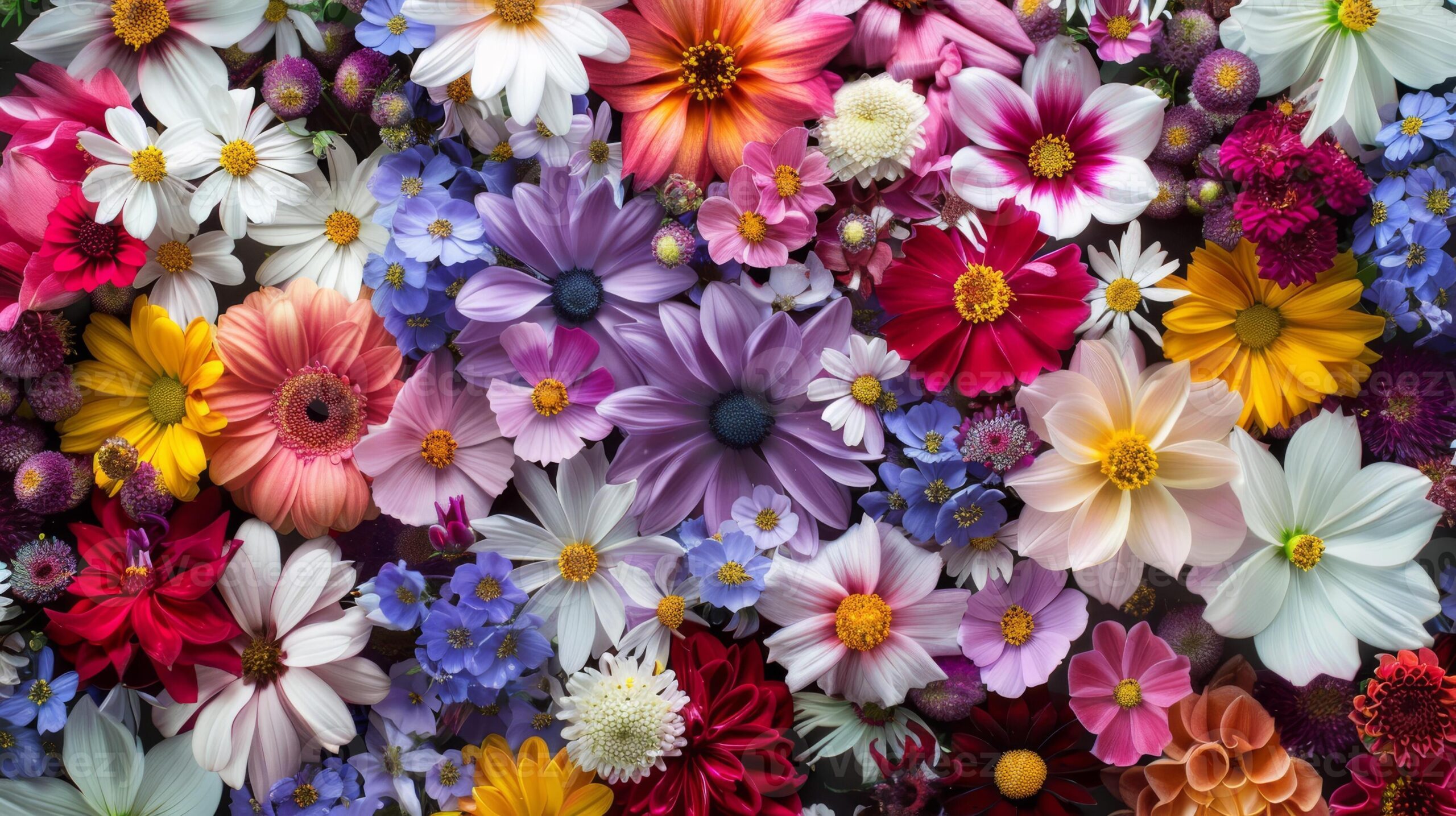
The dahlia is one of the most visually diverse and genetically fascinating flowering plants in the world, known for its incredibly wide range of shapes, sizes, and color patterns, and unlike many common garden flowers that have relatively fixed structures, dahlias show extreme variation even within the same species, making them a living example of genetic diversity in plant biology, and because of this unique adaptability and ornamental value, dahlias are widely cultivated in gardens, exhibitions, and floral competitions across the world, where they are admired not just for beauty but for their complexity and design perfection.
🌿 Botanical Structure and Genetic Complexity of Dahlia
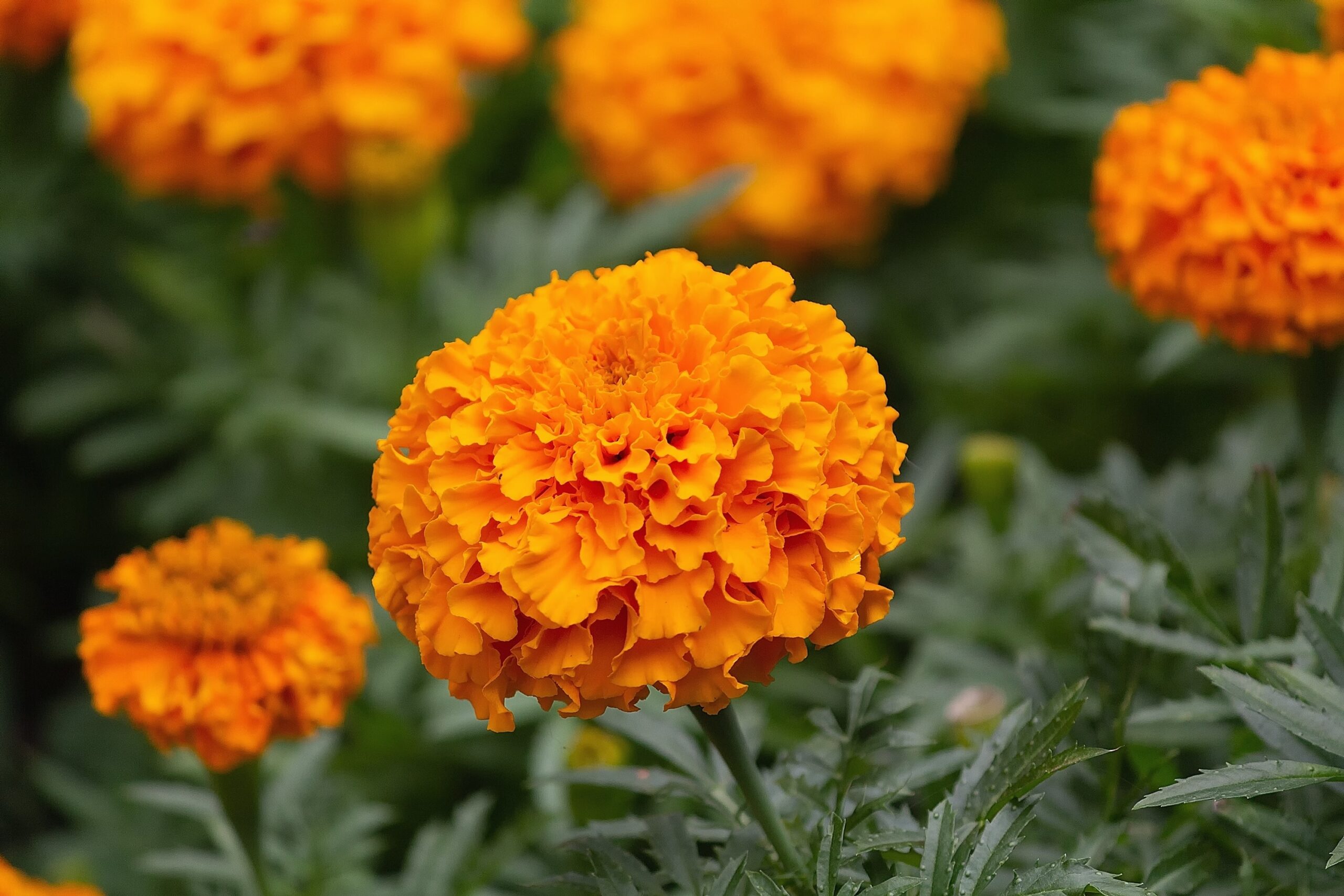
Dahlia belongs to the genus Dahlia in the Asteraceae family, and like other composite flowers, what appears to be a single flower is actually a dense cluster of many small florets arranged in a precise geometric pattern, and what makes dahlias scientifically remarkable is their genetic flexibility, which allows them to produce different petal shapes such as cactus, pompon, decorative, and ball forms, and this variation is controlled by multiple gene expressions affecting petal length, curvature, and layering, making dahlia one of the best examples of how plant genetics can create extreme morphological diversity within a single genus.
🌸 Why Dahlias Have So Many Shapes and Forms
The diversity of dahlia shapes is a direct result of selective breeding and genetic variation, where horticulturists have over centuries selected plants with unique traits such as longer petals, tighter flower heads, or more symmetrical structures, and this artificial selection combined with natural genetic mutation has resulted in thousands of dahlia cultivars, each with its own visual identity, and scientifically this variation is influenced by how plant hormones like auxins and cytokinins regulate cell growth and petal formation, making dahlias one of the most genetically manipulated ornamental plants in horticulture history.
🌱 Life Cycle and Growth Pattern of Dahlia Plant
The life cycle of dahlia begins with tuberous roots, which store nutrients underground and allow the plant to survive seasonal changes, and when conditions become favorable in spring, these tubers sprout shoots that grow into strong stems with compound leaves, and as the plant matures, it begins producing flower buds that bloom continuously throughout the growing season, and after flowering ends, the above-ground parts die back while the tubers remain dormant underground, storing energy for the next cycle, making dahlias perennial plants that rely heavily on seasonal regeneration.
🧠 Psychological and Emotional Impact of Dahlia
Dahlias create a strong emotional impression due to their rich textures, layered petals, and vibrant colors, and in color psychology, bright red and orange dahlias represent strength and energy, pink symbolizes kindness and emotional balance, while white represents purity and calmness, and because of their complex appearance, dahlias are often associated with creativity, elegance, and inner strength, making them popular in artistic compositions, floral design, and decorative arrangements where visual richness is important.
🌍 Cultural and Symbolic Importance of Dahlia
Dahlias hold symbolic meanings of dignity, inner strength, and commitment in many cultures, and in Victorian flower language they were often associated with elegance and lasting bonds, while in Mexican culture, where dahlias are native, they are considered a national flower symbolizing cultural pride and natural beauty, and in modern floral symbolism dahlias are often used to represent uniqueness and personal growth, reflecting their diverse and individualistic nature.
🧪 Practical and Horticultural Uses of Dahlia
Dahlias are primarily used for ornamental purposes due to their wide range of colors and shapes, making them popular in gardens, flower shows, and landscape design, and horticulturally they are also important for hybridization studies because of their genetic diversity, which helps scientists understand plant breeding patterns, while their tubers are sometimes studied for their starch content and biological properties, making dahlias both aesthetically and scientifically valuable.
🐝 Ecological Role of Dahlia in Nature
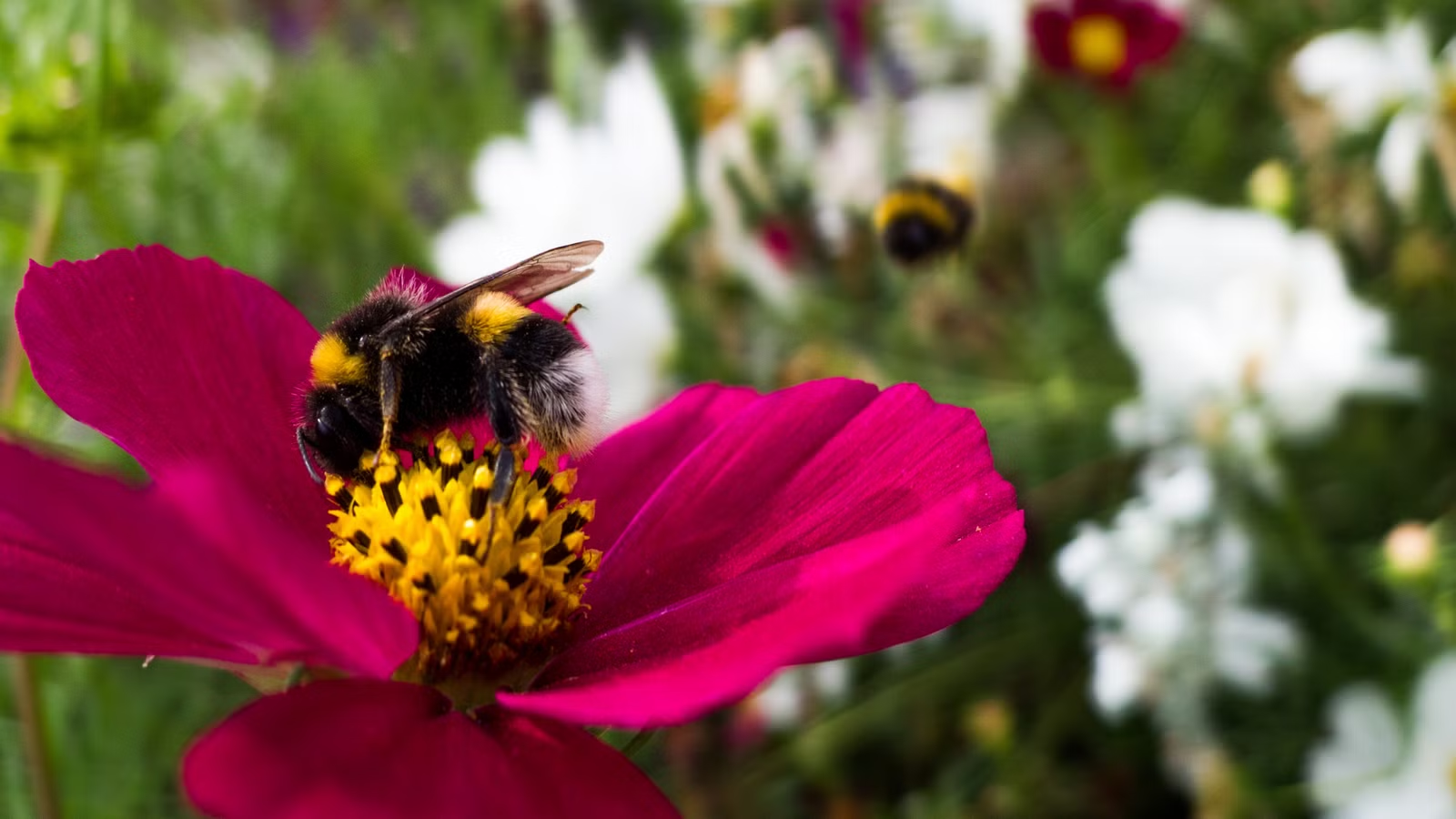
Dahlias contribute to ecosystem balance by attracting pollinators such as bees, butterflies, and other insects, and their continuous blooming pattern throughout the growing season provides a reliable nectar source, supporting pollinator populations and enhancing biodiversity in garden ecosystems, while also improving soil health through their tuber systems that store nutrients and support underground microbial activity.
🌸 Conclusion
The dahlia flower represents one of the most genetically diverse and visually complex flowering plants in nature, combining biological adaptability, evolutionary variation, and human-driven selective breeding into a single plant system, and its wide range of forms, colors, and meanings makes it not only a decorative flower but also a symbol of diversity, creativity, and natural design intelligence, showing how deeply nature and human cultivation can interact to produce extraordinary beauty.
❓ FAQ
1. Why do dahlias have so many shapes?
Because of genetic variation and selective breeding over many generations.
2. Are dahlias easy to grow?
Yes, but they require proper seasonal care and tuber protection.
3. What do dahlias symbolize?
They symbolize strength, creativity, and elegance.
4. Do dahlias bloom all season?
Yes, they bloom continuously during the growing season.
5. Why are dahlias important in gardening?
Because of their wide variety and decorative value.

Leave a Reply