
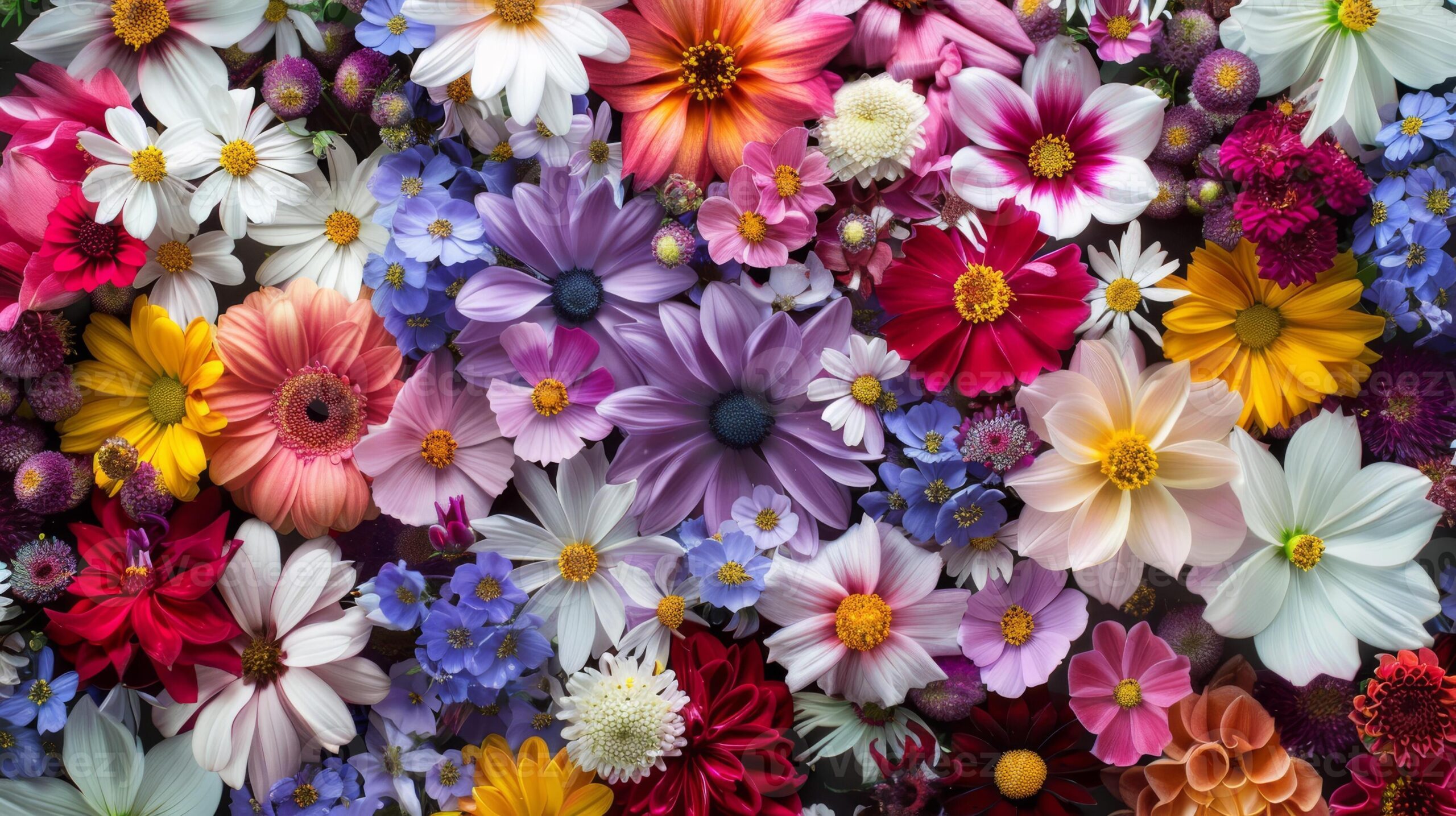
Flowers come in an extremely wide range of shapes, sizes, and structures. Some are simple and open, while others are complex, layered, and highly specialized. This variation is not random. It is the result of millions of years of evolution shaped by pollination, survival strategies, and environmental adaptation.
The main role of a flower is reproduction. Every part of its structure is designed to improve the chances of successful pollination and seed production. Shape, color, scent, and size all work together as part of a biological system.
HOW FLOWER SHAPES HELP POLLINATION
Flower shapes are closely linked to the type of pollinators they attract. Different animals interact with flowers in different ways, and flowers evolve to match those behaviors.
For example:
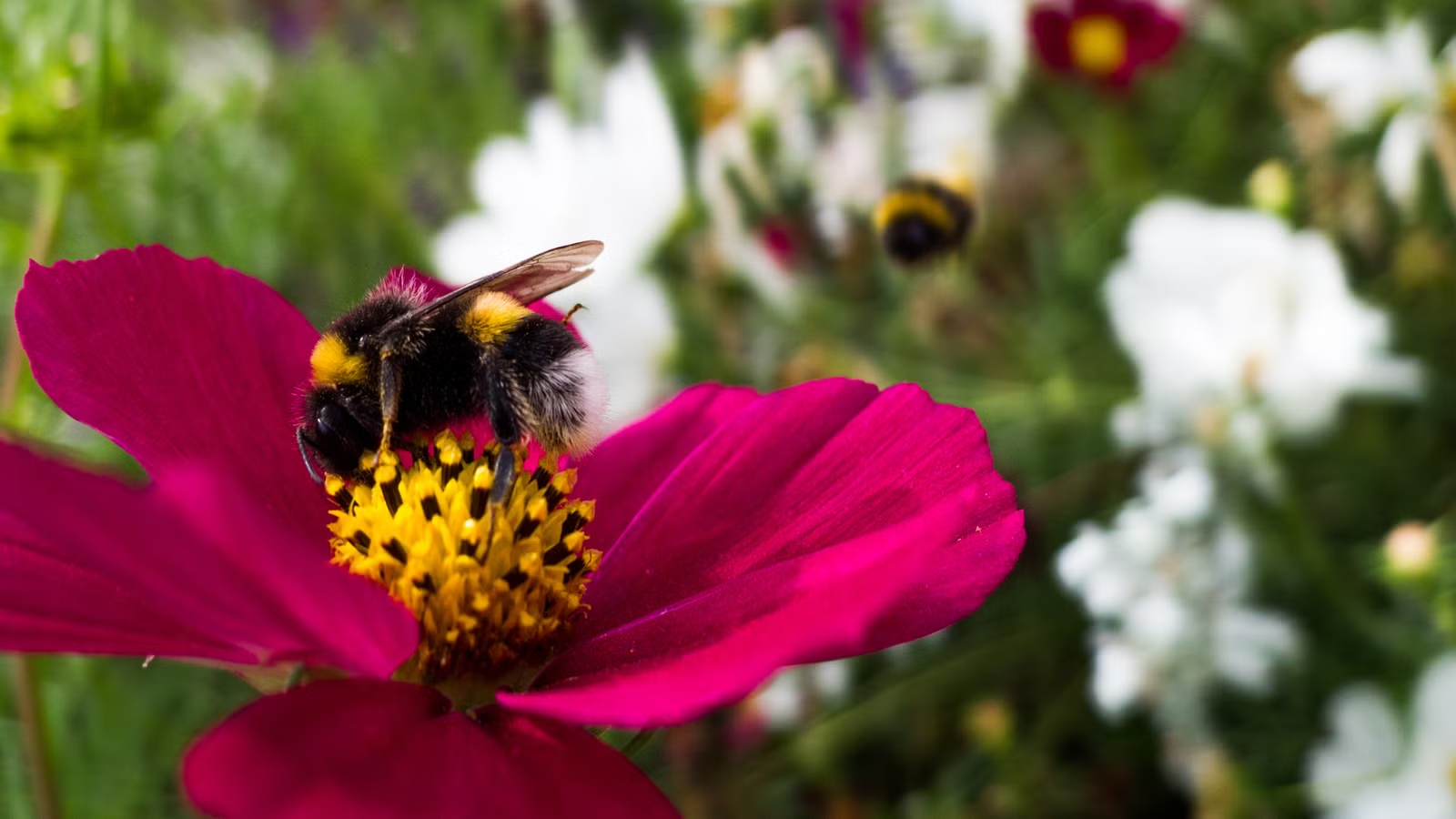
- Wide flowers attract bees that need landing space
- Tubular flowers attract birds and butterflies with long feeding structures
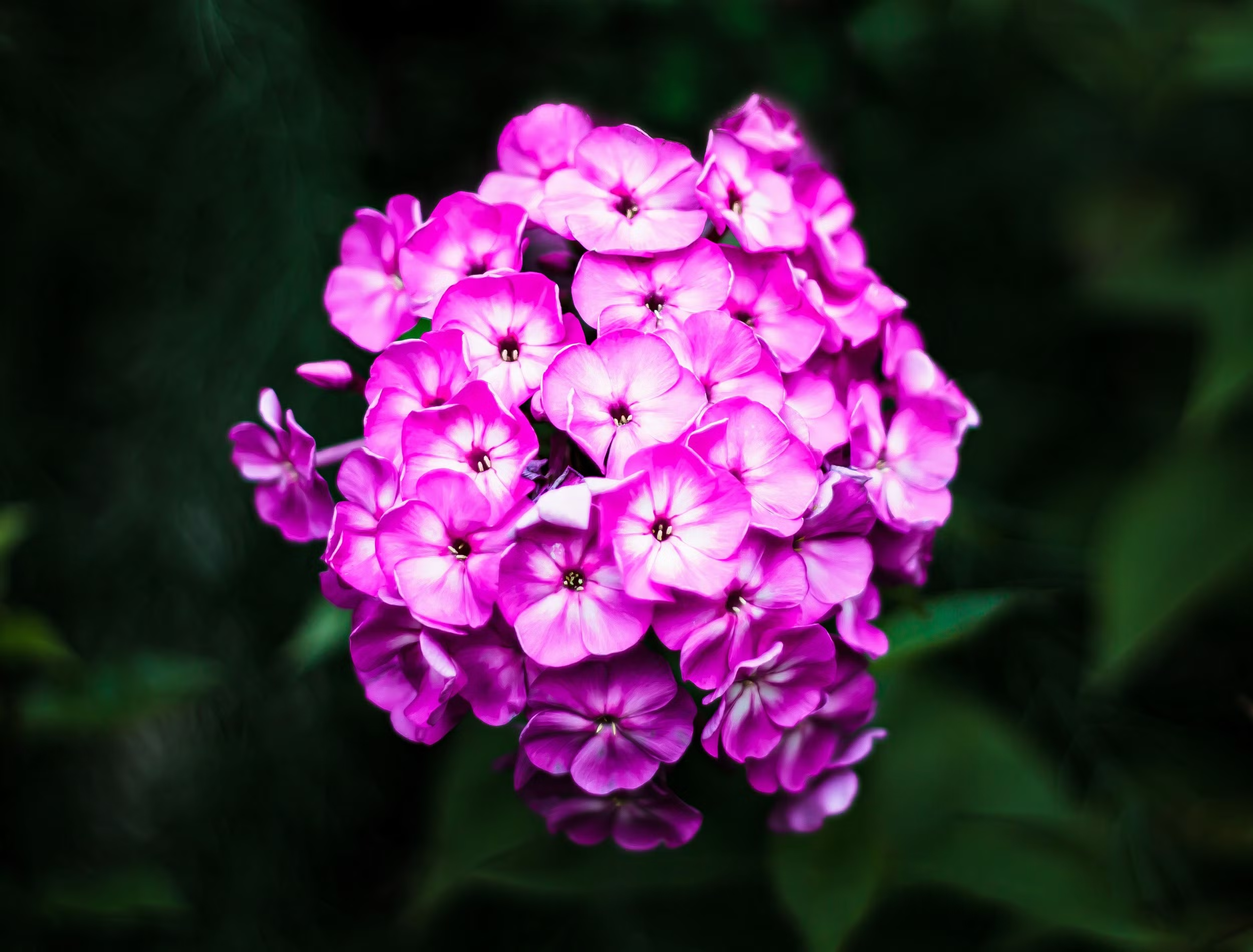
- Small clustered flowers often rely on wind or small insects
- Bright open shapes improve visibility for pollinators
These adaptations ensure efficient pollen transfer between flowers.
WHY SOME FLOWERS ARE SYMMETRICAL
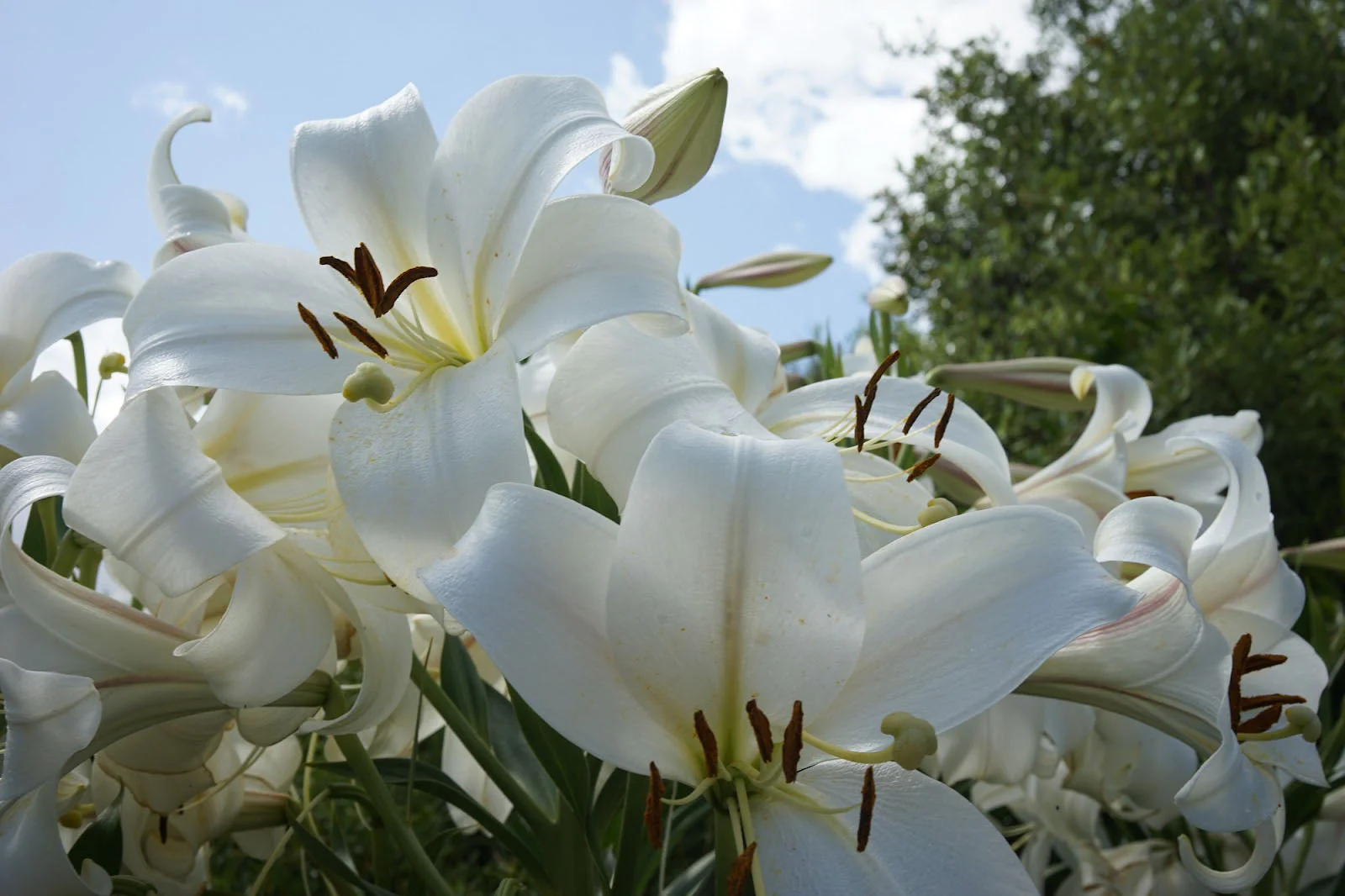
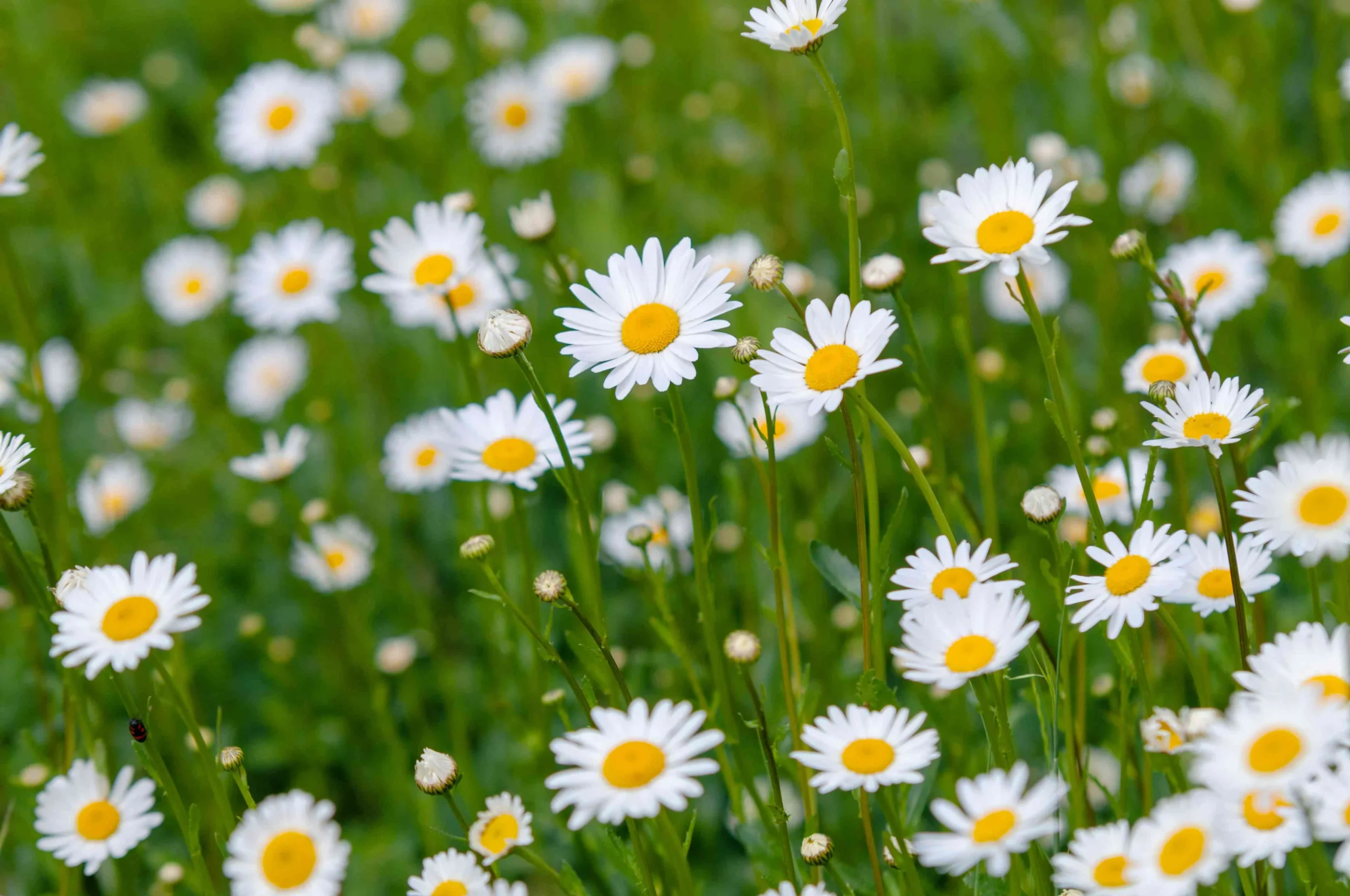
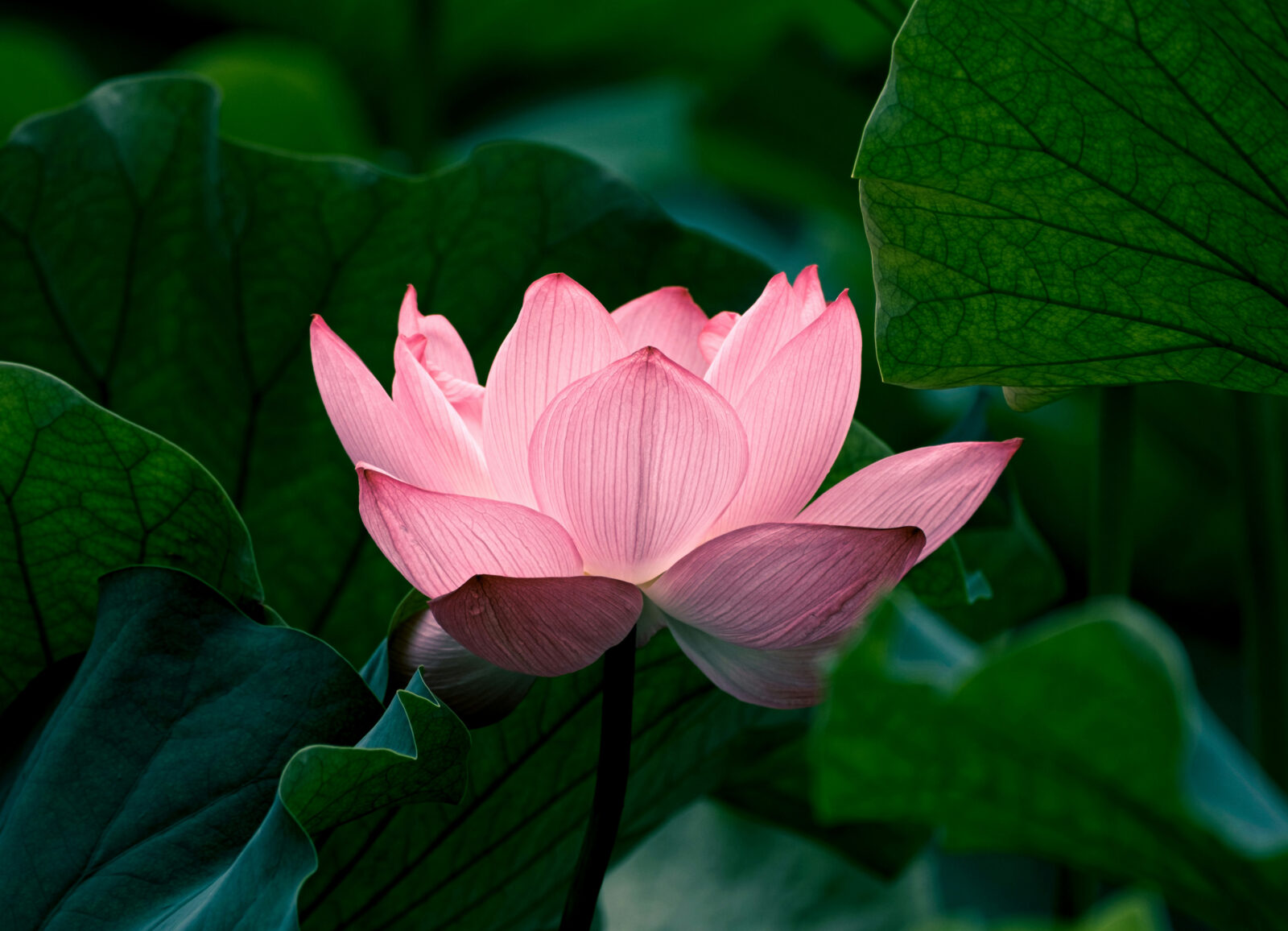
Many flowers display radial symmetry, meaning they are evenly shaped from all directions. This design allows pollinators to approach from multiple angles without difficulty.
Symmetry helps:
- Improve pollinator access
- Increase visual attraction
- Guide insects toward nectar sources
Flowers like lilies and daisies show strong symmetrical patterns.
WHY FLOWERS HAVE COLORS
Flower colors are used primarily to attract pollinators. Bright colors signal the presence of nectar and help distinguish species.
Colors are produced by pigments such as:
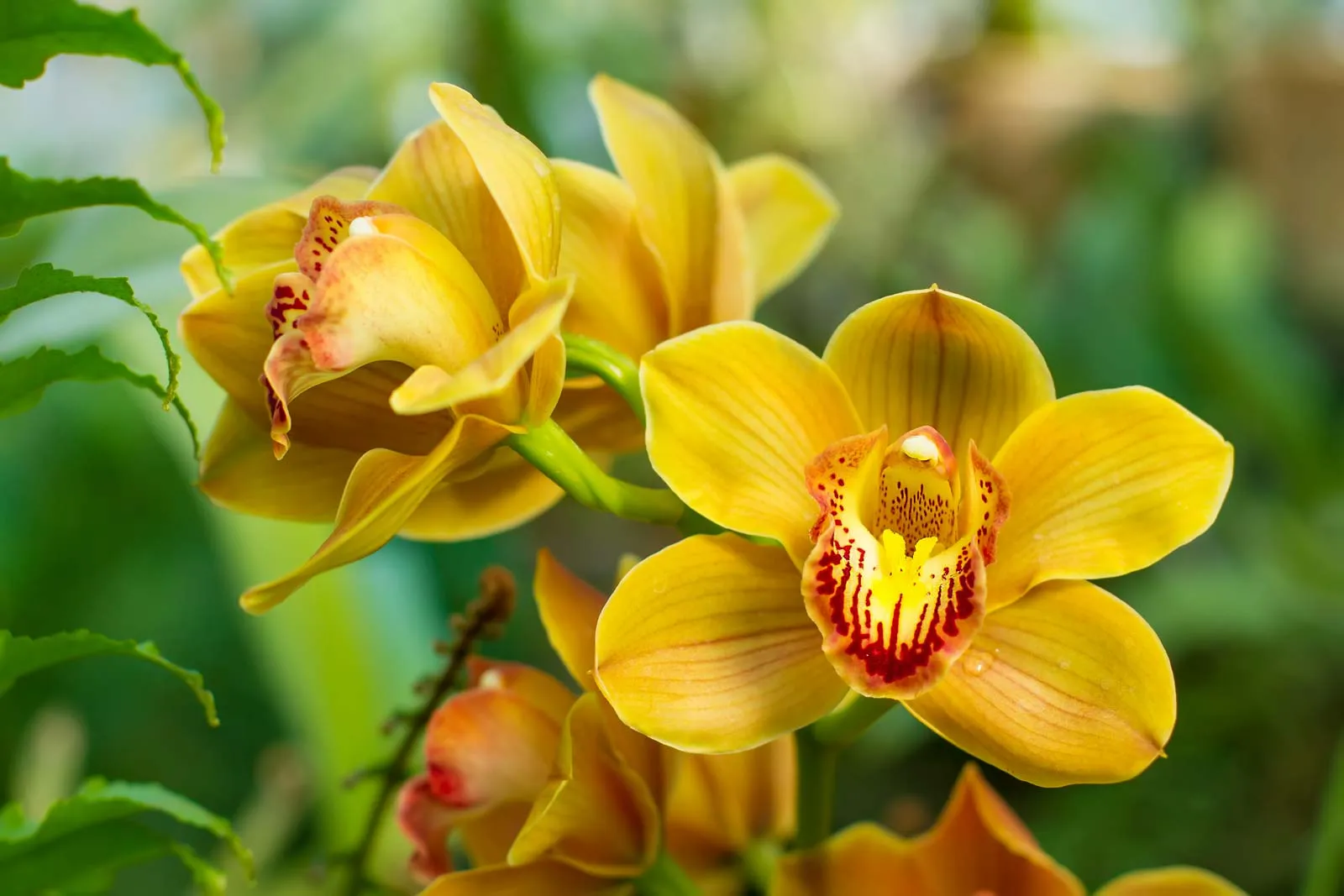
- Carotenoids for yellow and orange tones
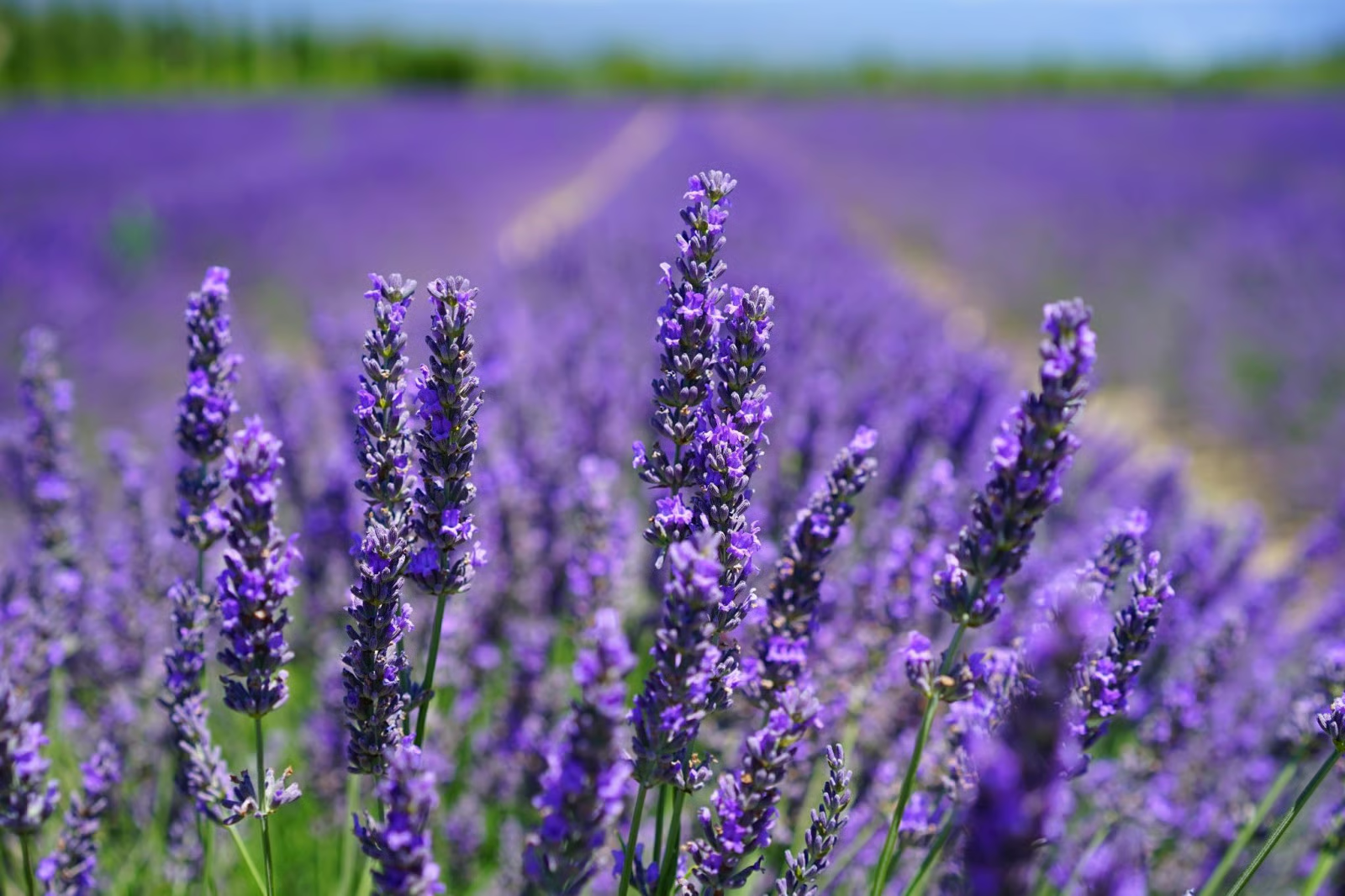
- Anthocyanins for red, purple, and blue tones
- Chlorophyll in young or greenish flowers
Color combinations help flowers stand out in crowded environments.
HOW FLOWERS USE ULTRAVIOLET PATTERNS
Many insects, especially bees, can see ultraviolet light, which humans cannot detect. Flowers often have UV patterns that act as visual guides.
These patterns:
- Direct insects toward nectar
- Improve pollination efficiency
- Highlight reproductive structures
To humans, these patterns are invisible, but to insects they appear as detailed landing maps.
WHY SOME FLOWERS HAVE STRONG SCENTS
Scent is another important pollination tool, especially when visibility is low.
Flowers use scent to:
- Attract pollinators from long distances
- Signal nectar availability
- Separate themselves from competing plants
Night-blooming flowers often rely more on scent than color.
WHY FLOWERS CHANGE OVER TIME
Some flowers change color or structure as they age. This helps communicate their pollination status.
Changes may indicate:
- Nectar has been consumed
- Pollination has already occurred
- The flower is no longer fertile
This helps pollinators avoid wasting energy on empty flowers.
WHY SOME FLOWERS OPEN AT SPECIFIC TIMES
Certain flowers open only during day or night depending on their pollinators.
This timing depends on:
- Light exposure
- Temperature changes
- Internal biological clocks
Day flowers attract bees and butterflies, while night flowers attract moths and bats.
HOW FLOWERS PROTECT THEIR REPRODUCTIVE PARTS
Flower reproductive structures are delicate and require protection.
They are protected by:
- Petals acting as shields
- Chemical deterrents against insects
- Strategic positioning of pollen and ovules
This ensures successful reproduction even in harsh environments.
WHY SOME FLOWERS LOOK LIKE OTHER OBJECTS
Some flowers mimic insects, animals, or shapes in their environment. This is a survival strategy used to attract specific pollinators.
Mimicry helps:
- Trick insects into visiting
- Increase pollination success
- Reduce competition with other plants
This is one of the most advanced adaptations in plant evolution.
HOW FLOWERS ADAPT TO EXTREME ENVIRONMENTS
Flowers in deserts, cold regions, or mountains develop special features to survive.
They may:
- Bloom quickly during short seasons
- Reduce size to conserve energy
- Grow close to the ground for protection
These adaptations help them survive in extreme conditions.
FINAL THOUGHTS
Flower diversity is a result of evolution, not randomness. Every shape, color, and structure serves a specific biological purpose related to reproduction and survival. Flowers are highly specialized systems designed to interact with the environment and ensure the continuation of plant species.

Leave a Reply