
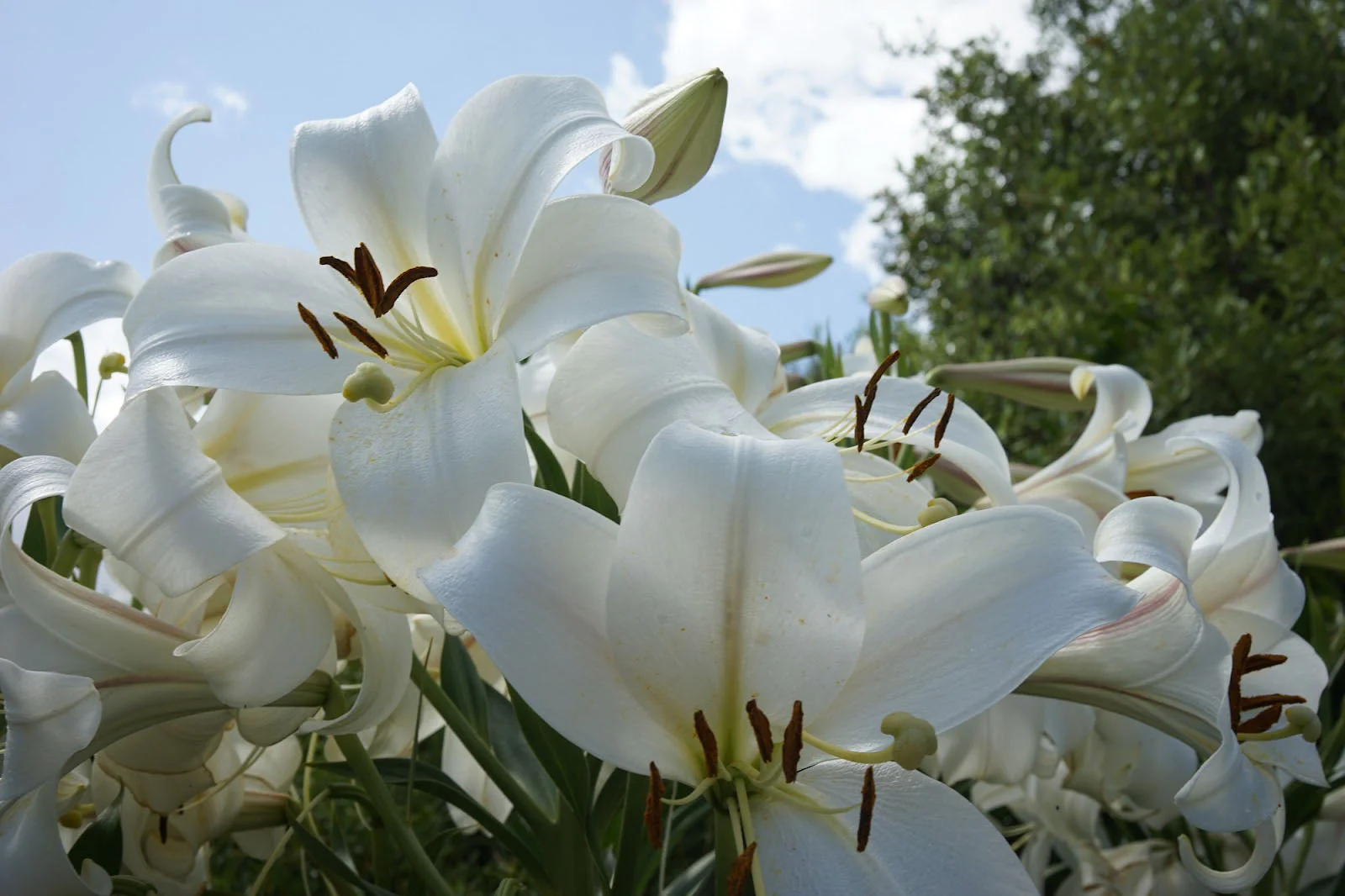
The lily is one of the most elegant and spiritually significant flowers in the natural world because it combines strong visual beauty with deep symbolic meaning across multiple civilizations, and unlike many ornamental flowers that are valued mainly for their fragrance or color variety, lilies are admired for their clean, symmetrical structure, soft petals, and powerful cultural associations with purity, rebirth, and divinity, making them one of the most widely recognized flowers in religious ceremonies, art, literature, and gardens across the world.
🌿 Botanical Structure and Scientific Design of Lily Plant
The lily belongs to the genus Lilium, and it is a perennial flowering plant that grows from underground bulbs, which store nutrients and energy to support seasonal regrowth, and what makes lilies scientifically interesting is their highly organized floral structure consisting of six petal-like tepals arranged in a radial symmetry that creates a visually balanced and efficient reproductive system, while the plant itself produces long upright stems with narrow leaves that help maximize sunlight absorption, and the bulb system allows lilies to survive harsh seasonal changes by entering a dormant state and reactivating growth when conditions become favorable again.
🌸 Why Lilies Look So Elegant and Structured
The elegance of lilies is not accidental but the result of evolutionary optimization where symmetry plays a key role in attracting pollinators and improving reproductive success, and the radial arrangement of petals ensures that insects can easily access the reproductive organs from multiple angles, while the smooth curvature and soft texture of lily petals reflect light in a way that enhances visual brightness, making them highly noticeable in natural environments, and scientifically, this combination of symmetry, color contrast, and structural simplicity is what gives lilies their “clean” and refined appearance that humans naturally associate with purity and beauty.
🌱 Life Cycle and Growth Process of Lily Plant
The life cycle of a lily begins with a bulb that remains dormant underground during unfavorable conditions, and when temperature and soil conditions become suitable, the bulb activates biological processes that lead to root formation followed by rapid shoot emergence, and as the plant grows, it develops long stems and leaves that support energy production through photosynthesis, and after reaching maturity, the plant produces flower buds that gradually open into large, expressive blooms, and after flowering, the plant redirects energy back into the bulb for storage, allowing it to survive and regenerate in the next growing season, making lilies highly efficient perennial plants.
🧠 Psychological and Emotional Impact of Lilies
Lilies have a strong psychological effect on human perception because their clean white and soft-colored varieties are associated with calmness, peace, and emotional clarity, and in color psychology, white symbolizes purity and mental clarity while soft pink and yellow tones represent compassion and warmth, so the visual presence of lilies often creates a soothing emotional environment that reduces visual stress and promotes relaxation, which is why lilies are commonly used in weddings, funerals, and ceremonial spaces where emotional balance and symbolic meaning are important.
🌍 Cultural, Religious, and Symbolic Importance of Lily
Lilies hold deep symbolic value across different cultures and religions, where in Christianity they are often associated with purity and the Virgin Mary, representing innocence and divine grace, while in ancient Greek mythology lilies were linked to rebirth and motherhood, and in Eastern cultures they symbolize prosperity, renewal, and long life, and in modern usage lilies are widely used in ceremonies and decorative arrangements to express respect, remembrance, and emotional purity, showing that this flower has maintained a consistent symbolic identity across thousands of years of human history.
🐝 Ecological Role and Importance in Nature
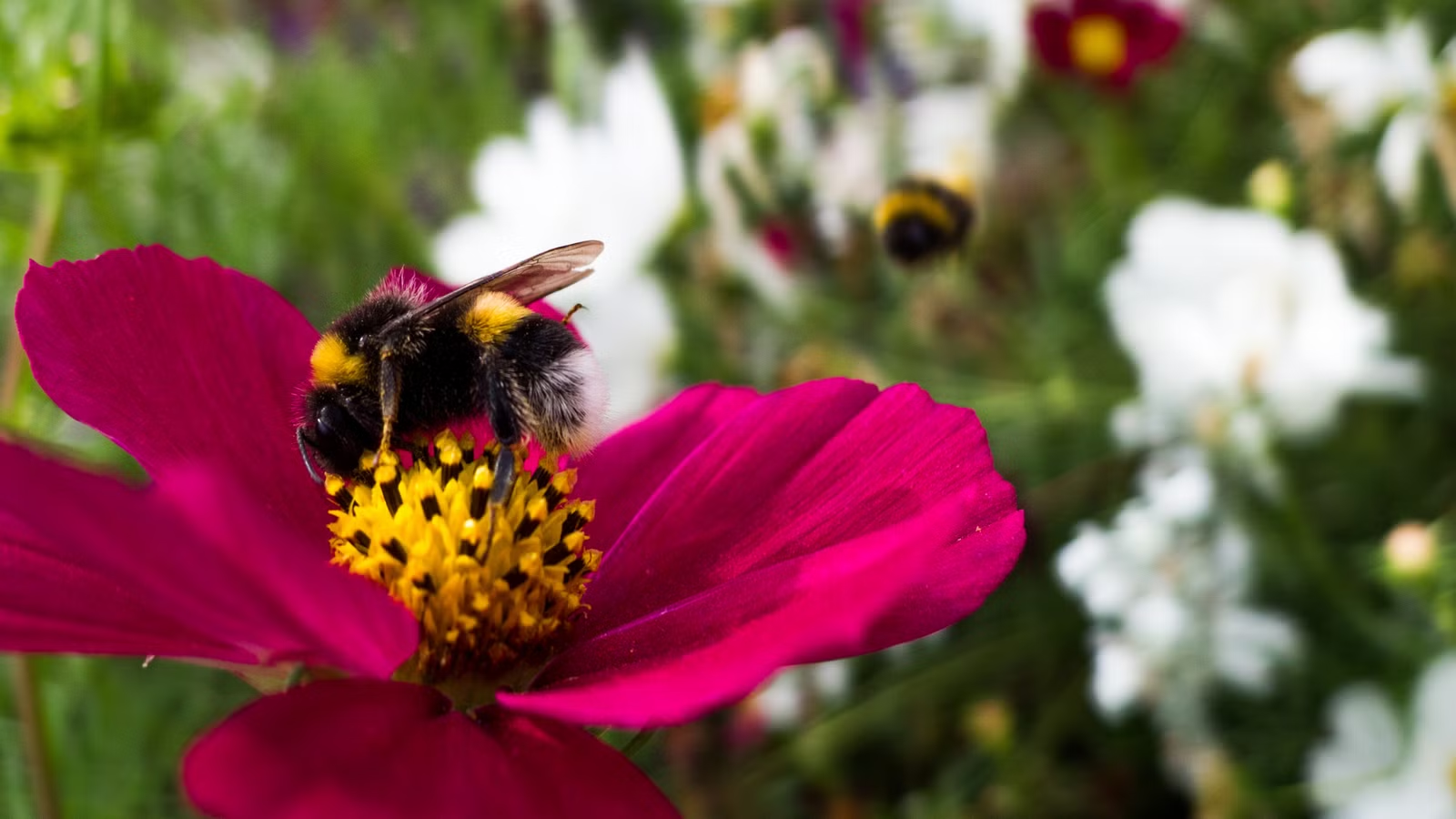
Lilies play an important ecological role by attracting pollinators such as bees, butterflies, and beetles, which help maintain biodiversity and support plant reproduction in natural ecosystems, and their large flowers provide a rich source of nectar and pollen during blooming seasons, while their bulb systems also help stabilize soil structure in certain environments, contributing to ecological balance, and because lilies often grow in clusters, they create microhabitats that support small insects and contribute to local biodiversity.
🧪 Medicinal and Practical Uses of Lily
Although lilies are primarily ornamental, some species have been used in traditional medicine systems for their potential anti-inflammatory and soothing properties, and in certain cultures lily bulbs are used in culinary dishes, especially in East Asian cuisine where they are considered nutritious and mildly medicinal, while lily extracts are also used in skincare and cosmetic products due to their softening and calming effects on the skin, making them a multifunctional plant with both aesthetic and practical applications.
🌸 Conclusion
The lily is a flower that represents the perfect balance between biological efficiency and symbolic depth because it combines structured growth, elegant symmetry, ecological importance, and deep cultural meaning into a single living organism, and its association with purity, renewal, and emotional clarity has made it one of the most respected flowers in human history, showing how nature can create forms that are not only functional but also deeply meaningful to human perception and culture.
❓ FAQ
1. Why are lilies considered special flowers?
Because of their elegant structure, cultural symbolism, and biological efficiency.
2. What do lilies symbolize?
They symbolize purity, rebirth, and emotional peace.
3. How do lilies grow?
They grow from bulbs that store nutrients and regrow each season.
4. Are lilies used in medicine?
Some species are used in traditional medicine and skincare.
5. Why are lilies used in ceremonies?
Because they represent respect, purity, and emotional significance.

Leave a Reply