
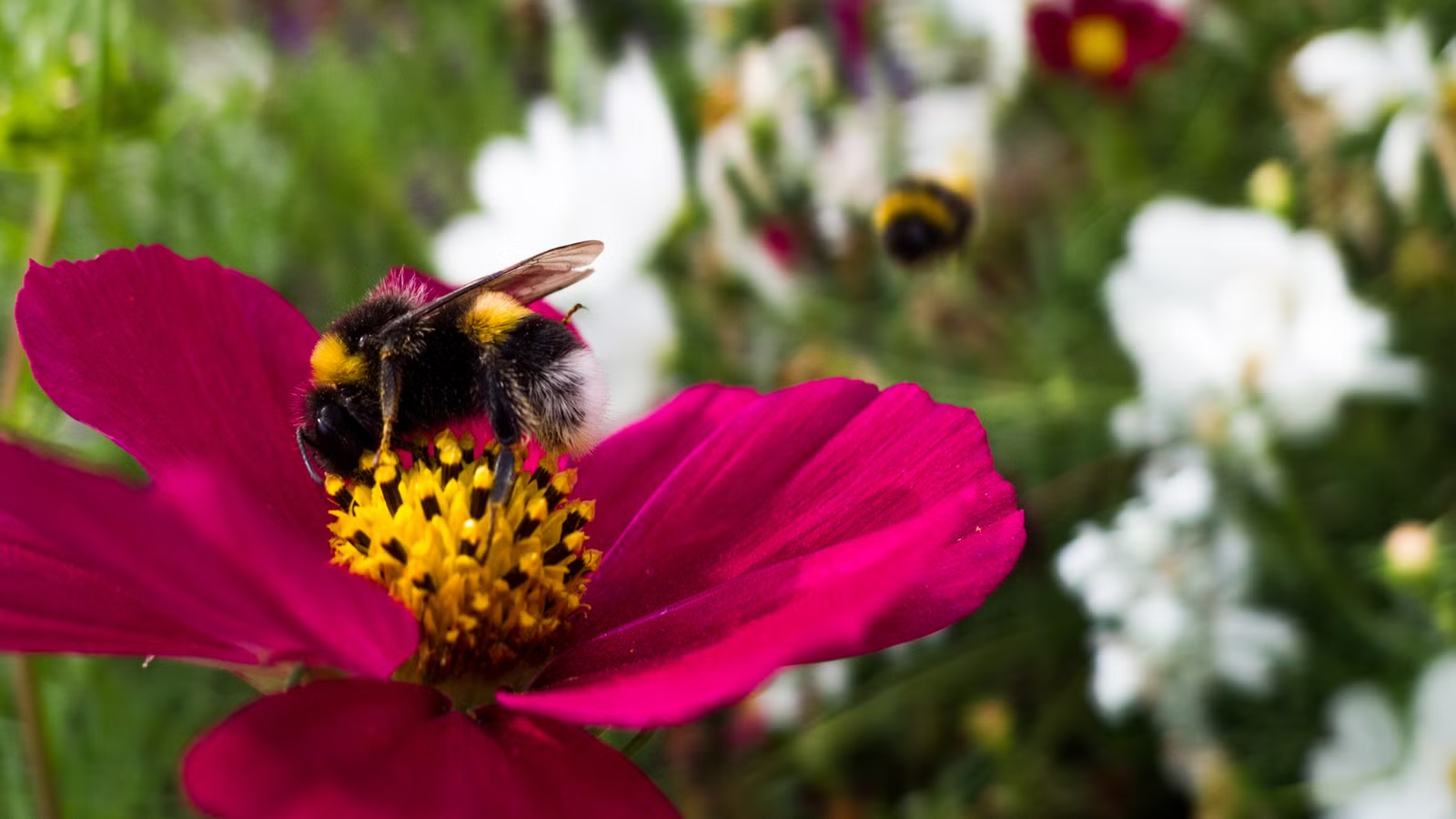
Flowers cannot move, chase, or actively search for pollinators, yet they still manage to attract insects, birds, and other animals with remarkable success. This is possible because flowers use a combination of visual signals, chemical signals, and structural adaptations that work like a natural advertising system. Every part of a flower is designed to communicate with pollinators in a silent but highly effective way.
Unlike animals, flowers rely entirely on passive strategies. Instead of moving toward pollinators, they make themselves attractive enough that pollinators come to them.
HOW COLOR WORKS AS A SIGNAL
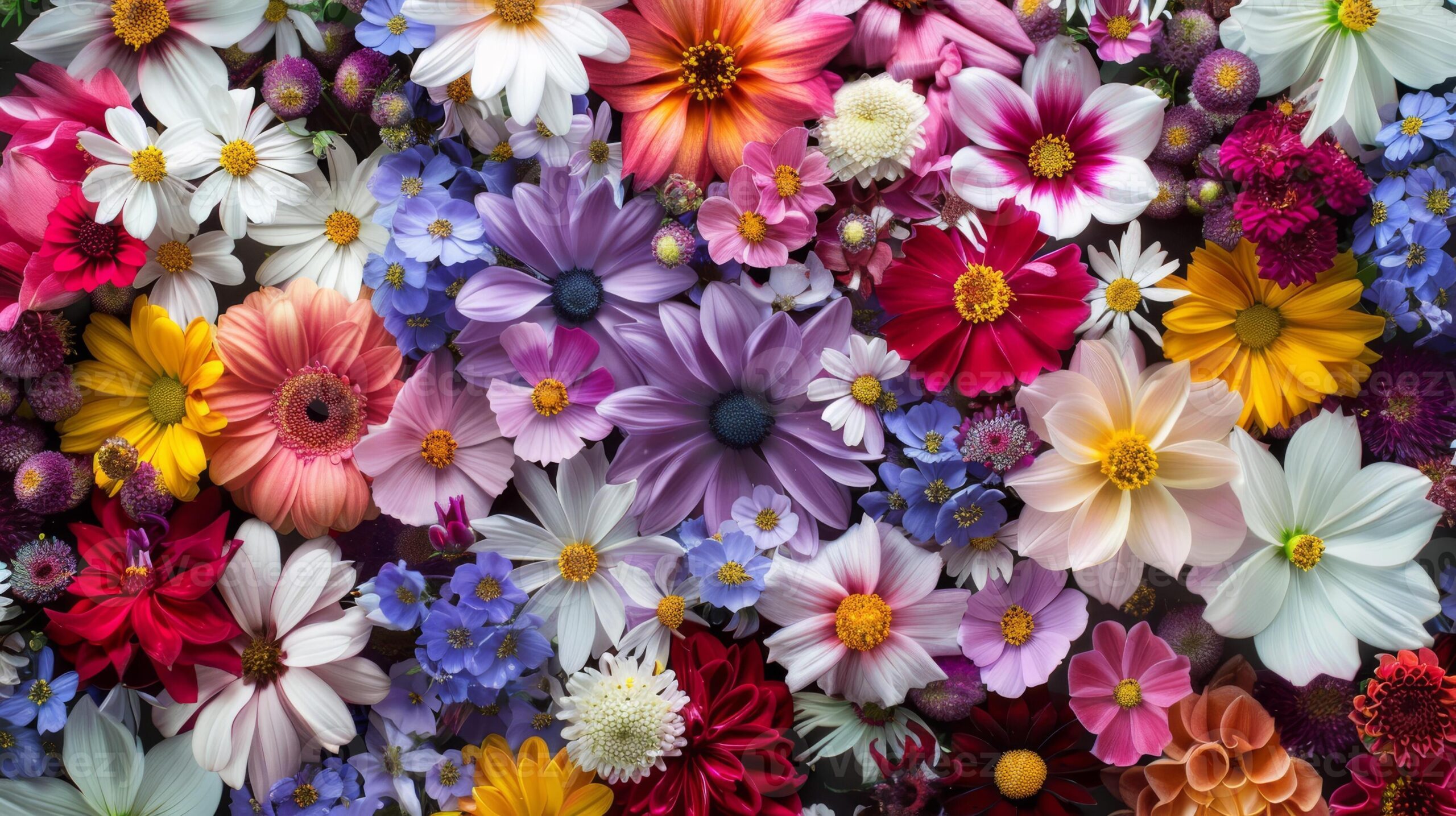
Color is one of the most powerful tools flowers use to attract pollinators. Bright and contrasting colors act like visual beacons in natural environments.
Different colors attract different pollinators:
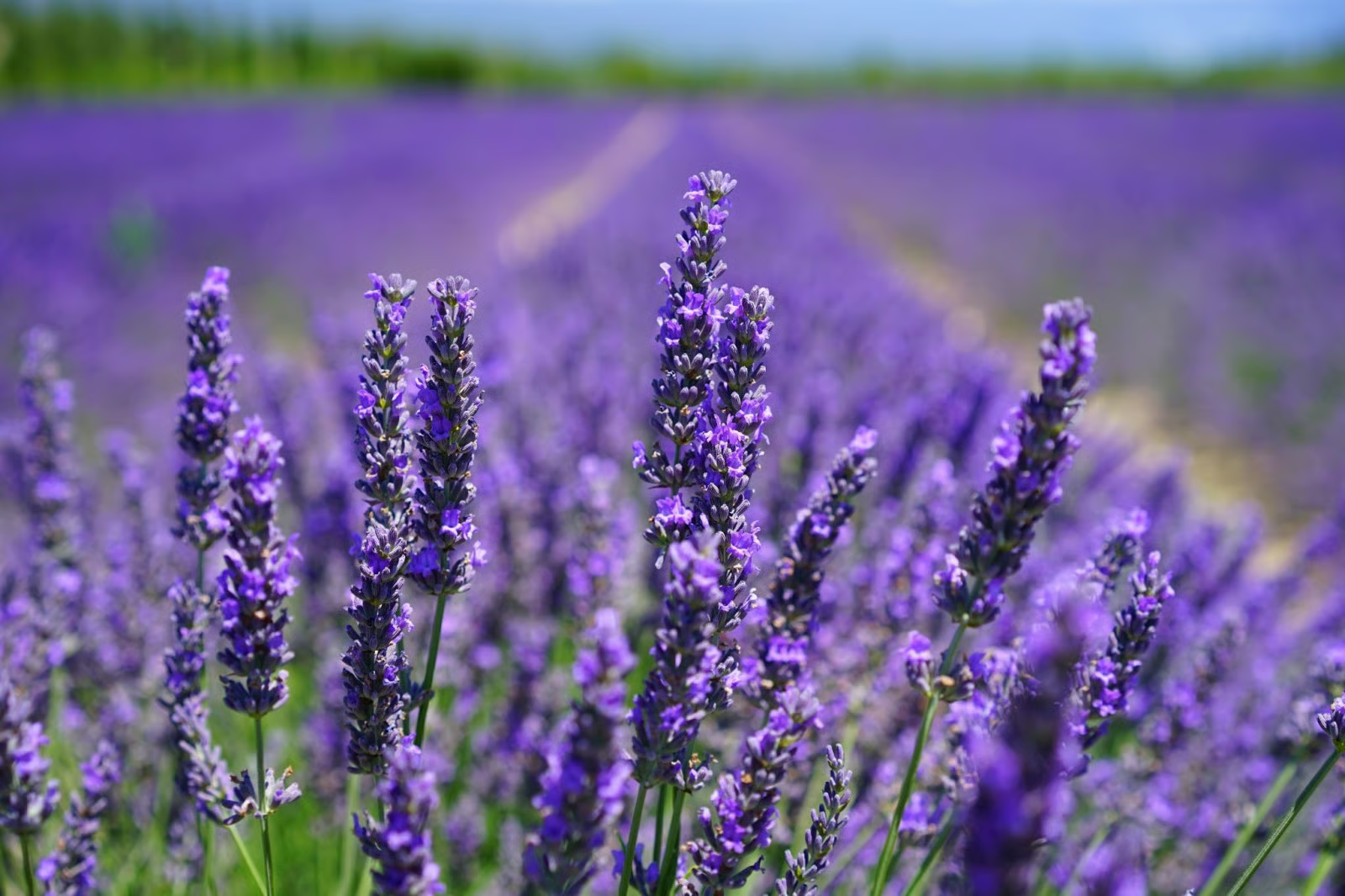
- Bees are strongly attracted to blue, purple, and yellow
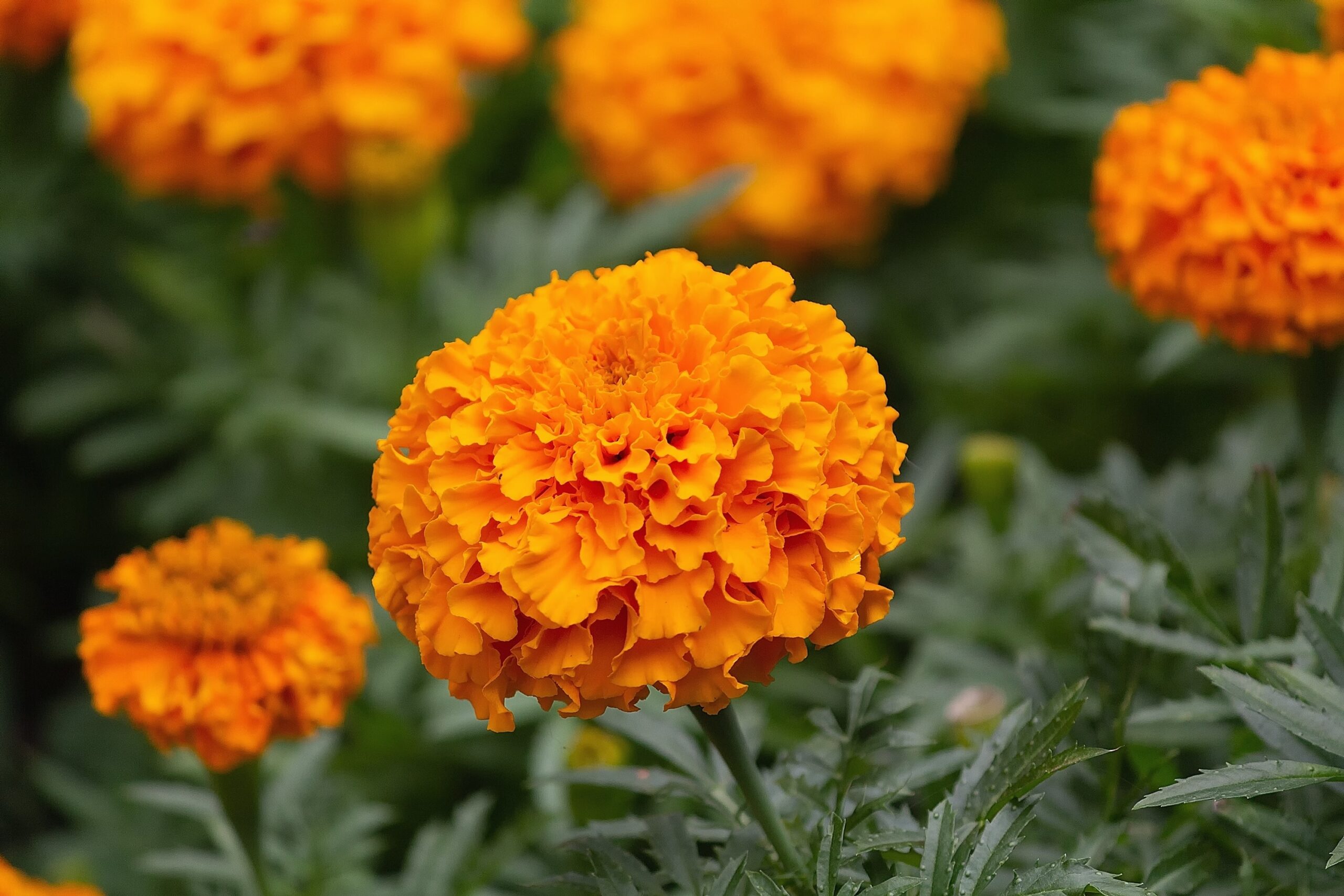
- Birds often prefer red and orange flowers
- Butterflies are drawn to bright and colorful patterns
These color preferences help flowers specialize in attracting the right type of pollinator.
WHY FLOWERS USE CONTRAST PATTERNS
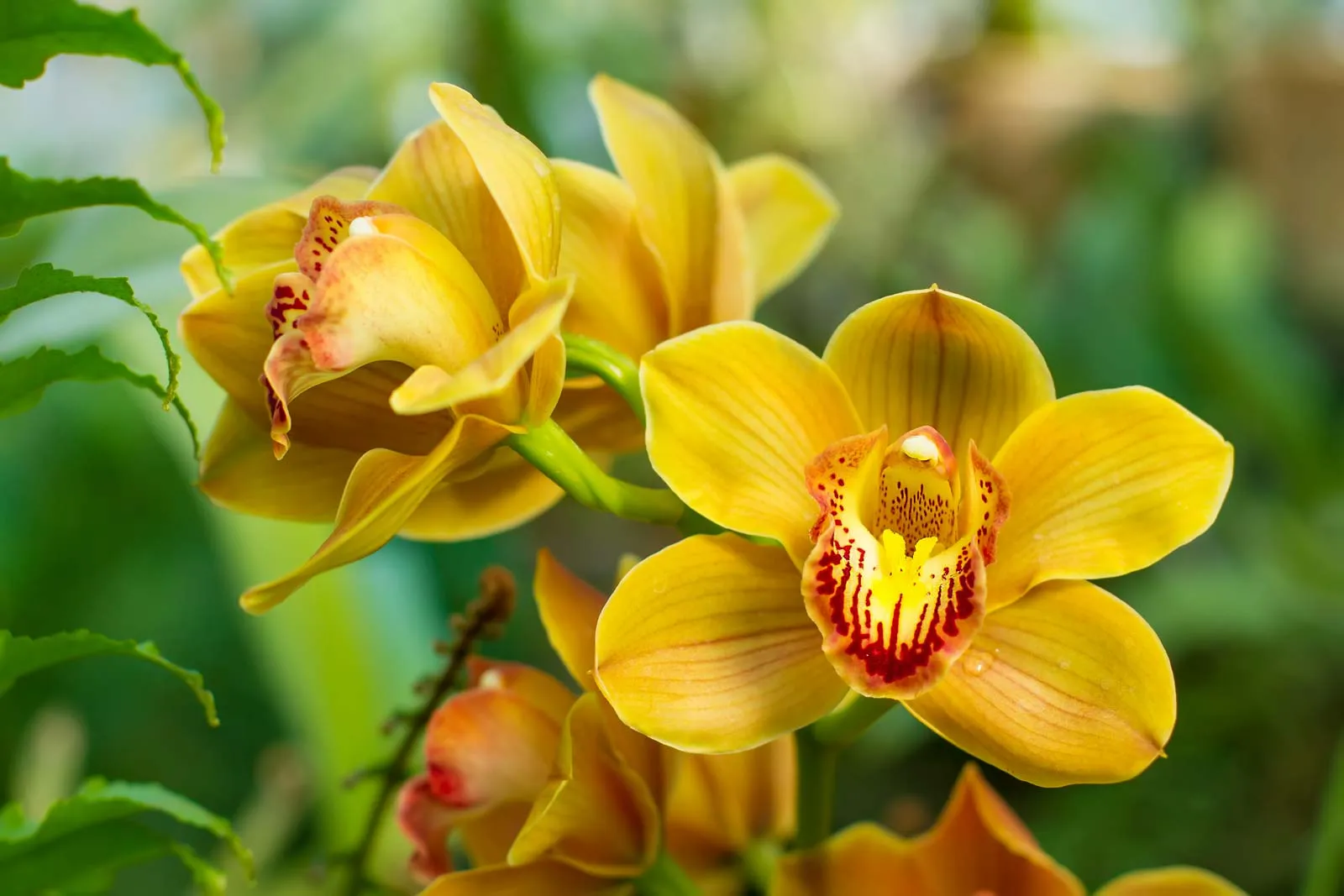
Many flowers are not just a single color. They have patterns, stripes, and spots that increase visibility.
These patterns:
- Help pollinators locate the center of the flower
- Act as landing guides
- Improve pollination accuracy
Some patterns are only visible under ultraviolet light, making them even more effective for insects like bees.
HOW FLOWER SCENT ATTRACTS POLLINATORS
Scent is another important attraction method, especially for pollinators that rely on smell more than vision.
Flowers produce volatile chemical compounds that spread through the air. These scents can:
- Travel long distances
- Signal nectar availability
- Attract specific pollinator species
Strong scents are especially important for night-blooming flowers.
WHY FLOWERS PRODUCE NECTAR
Nectar is a sugary liquid produced by flowers as a reward for pollinators. It acts as an energy source for insects and birds.
When pollinators collect nectar:
- They come into contact with pollen
- Pollen sticks to their bodies
- It is transferred to other flowers
This mutual exchange ensures plant reproduction.
HOW FLOWERS GUIDE POLLINATORS
Flowers are structured in a way that guides pollinators toward the reproductive parts.
They use:
- Funnel-shaped structures
- Narrow openings
- Strategic placement of nectar
This ensures that pollinators touch pollen while feeding.
WHY FLOWERS HAVE DIFFERENT SHAPES FOR DIFFERENT POLLINATORS
Flower shape is closely linked to pollinator type. Each structure is designed to match the body shape and behavior of specific animals.
For example:
- Tubular flowers suit birds and long-tongued insects
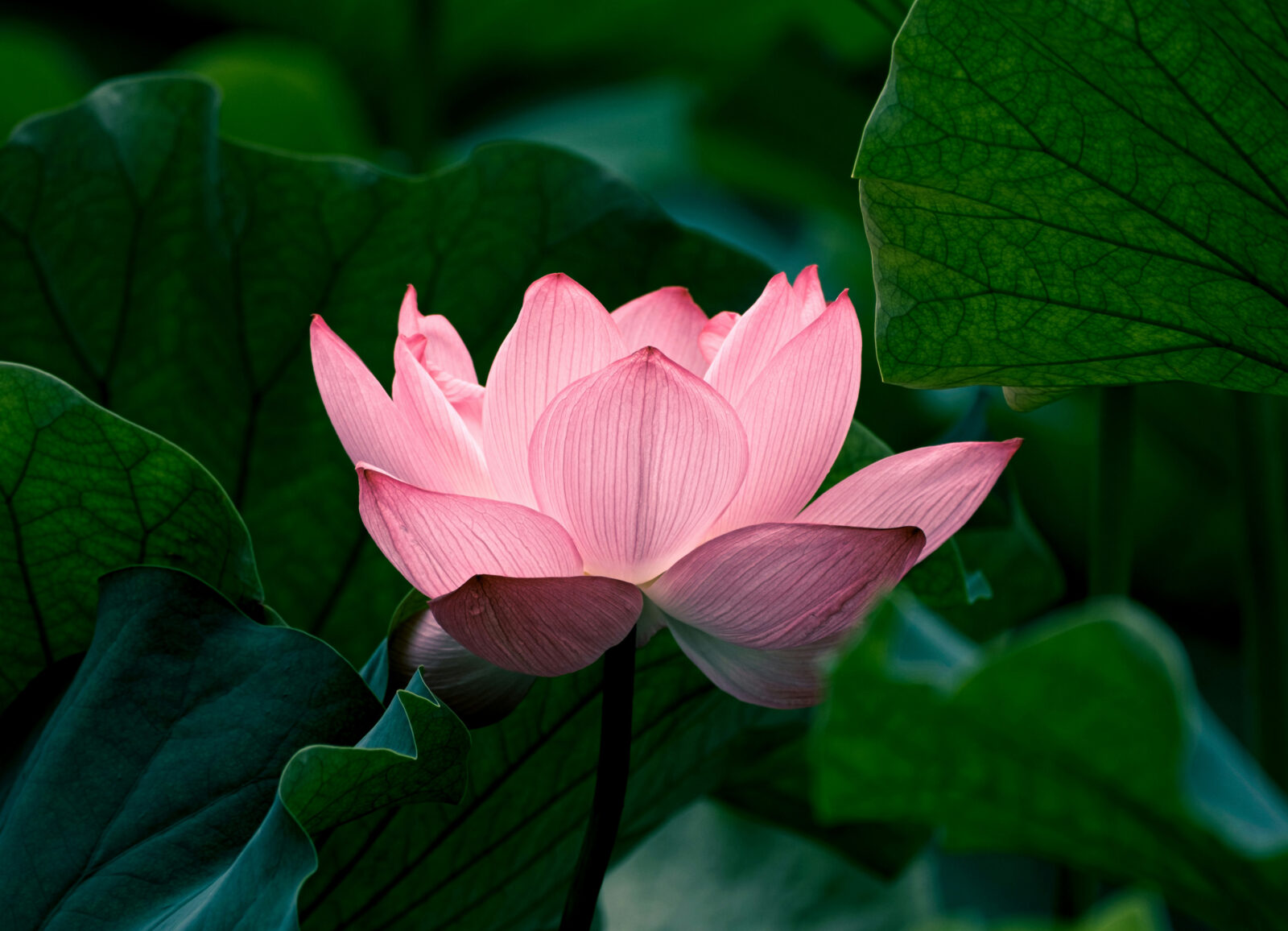
- Flat flowers suit butterflies
- Small clustered flowers suit bees
This specialization increases pollination efficiency.
HOW TIME OF DAY AFFECTS ATTRACTION
Some flowers open only at specific times to match pollinator activity.
Day-blooming flowers attract:
- Bees
- Butterflies
Night-blooming flowers attract:
- Moths
- Bats
This timing improves the chances of successful pollination.
HOW FLOWERS AVOID WASTING RESOURCES
Flowers do not attract all pollinators equally. They evolve to focus on the most effective ones.
To avoid waste, they may:
- Close when pollination is complete
- Reduce scent production after fertilization
- Change color when no longer fertile
This ensures energy is used efficiently.
HOW WIND-DEPENDENT FLOWERS WORK
Not all flowers rely on animals. Some depend on wind for pollination.
These flowers:
- Produce large amounts of lightweight pollen
- Have simple, non-colorful structures
- Do not produce nectar or scent
Wind carries pollen randomly between plants.
FINAL THOUGHTS
Flowers attract pollinators without movement by using color, scent, shape, nectar, and timing. These strategies work together like a biological communication system designed to ensure reproduction.
What appears to be still and silent is actually a highly coordinated system of attraction and survival operating continuously in nature.

Leave a Reply