
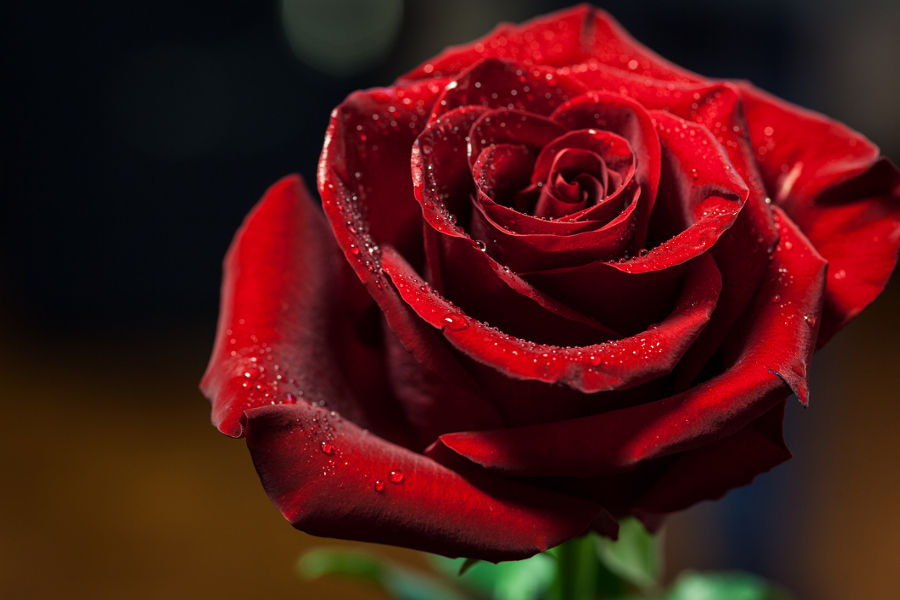
The rose is one of the most complex and emotionally powerful flowering plants in the natural world, and although it is often seen simply as a symbol of love or beauty, in reality it is a highly advanced biological system that has evolved over millions of years to optimize survival, reproduction, and pollination efficiency, while simultaneously becoming one of the most culturally significant plants in human history, appearing in mythology, poetry, medicine, perfumes, and even political symbolism, which makes the rose not just a flower but a complete intersection of science, emotion, and civilization.
🌿 Botanical Structure and Biological Complexity of the Rose Plant
The rose plant belongs to the genus Rosa, which includes hundreds of species and thousands of hybrid varieties, and what makes its botanical structure especially interesting is the combination of woody stems, defensive thorns, compound leaves, and multi-layered flowers that together form a highly efficient survival system, where the stems provide structural strength, the thorns act as a natural defense mechanism against herbivores, and the leaves perform continuous photosynthesis to produce energy for growth and flowering, while the root system anchors the plant deeply into the soil and absorbs essential nutrients and water, allowing the rose to thrive in a wide range of environments, from wild forests to carefully controlled garden ecosystems.
🌸 Flower Anatomy and Why Roses Look So Perfect
The rose flower is considered one of the most visually balanced structures in nature because its petals are arranged in a spiral pattern that follows mathematical growth principles similar to the Fibonacci sequence, which allows the flower to maximize space efficiency while also creating an aesthetically symmetrical appearance that is highly attractive to both humans and pollinators, and each petal is made of soft plant tissue containing pigments such as anthocyanins and carotenoids that produce the wide range of colors seen in roses, while the inner reproductive parts, including stamens and pistils, are carefully positioned to ensure successful pollen transfer, making the rose flower not only beautiful but also scientifically optimized for reproduction success.
🌹 Why Roses Have Strong Fragrance and Color Diversity
The fragrance of roses is created by a complex mixture of volatile organic compounds (VOCs) such as geraniol, citronellol, and nerol, which are released into the air to attract pollinators and also to communicate environmental signals, and this fragrance is strongest in early morning or late evening when temperature and humidity conditions allow better diffusion of scent molecules, while the wide variety of rose colors is the result of genetic variation and pigment concentration differences, where red roses contain higher anthocyanin levels, yellow roses contain more carotenoids, and white roses lack strong pigment expression, showing that every color variation in roses is controlled by genetic expression and environmental influence working together in a highly coordinated biological system.
🌱 Life Cycle and Growth Process of the Rose Plant
The life cycle of a rose begins either through seed germination or vegetative propagation such as stem cuttings, where the cutting method is more commonly used in gardening because it ensures genetic consistency and faster flowering, and once planted, the rose first focuses on root development to stabilize itself in the soil, followed by stem and leaf growth during the vegetative stage, where the plant accumulates energy through photosynthesis, and after reaching maturity, hormonal signals trigger the flowering stage, during which buds begin to form and gradually develop into full blossoms, and this entire process is heavily influenced by environmental conditions such as sunlight exposure, soil quality, temperature, and water availability, which means that even genetically identical rose plants can produce very different results depending on their surroundings.
🌞 Environmental Requirements and Growth Conditions
Roses are highly adaptable but still require specific environmental conditions to reach their full flowering potential, including at least 6–8 hours of direct sunlight daily, well-drained soil rich in organic matter, moderate watering that avoids both drought stress and waterlogging, and periodic pruning to remove dead or weak branches, and interestingly, pruning is not just a maintenance activity but a biological stimulation process that encourages the plant to produce new shoots and more flowers, showing how human intervention can directly influence plant growth behavior when done correctly, making rose cultivation both a scientific and artistic practice.
🌍 Cultural, Historical, and Emotional Importance of Roses
Roses have played a major role in human civilization for thousands of years, appearing in ancient Greek mythology as symbols of Aphrodite, the goddess of love, in Roman culture as representations of Venus, and in Persian poetry as metaphors for divine beauty and spiritual love, while in medieval Europe roses became symbols of political identity during conflicts such as the War of the Roses, and in modern times roses are used globally to express emotions ranging from romantic love and admiration to grief and respect, showing that the rose has transcended its biological identity to become a universal emotional language shared across cultures and generations.
🧪 Medicinal, Industrial, and Commercial Uses of Roses
Beyond their symbolic value, roses have significant practical applications in medicine, cosmetics, and industry, where rose oil extracted from petals is used in perfumes and skincare products due to its antibacterial and soothing properties, rose water is widely used in culinary traditions and religious rituals, and rose extracts are studied for their antioxidant and anti-inflammatory benefits, while commercially, roses are one of the most widely cultivated ornamental flowers in the global floral industry, making them economically important as well as culturally significant.
🐝 Ecological Role and Importance in Nature
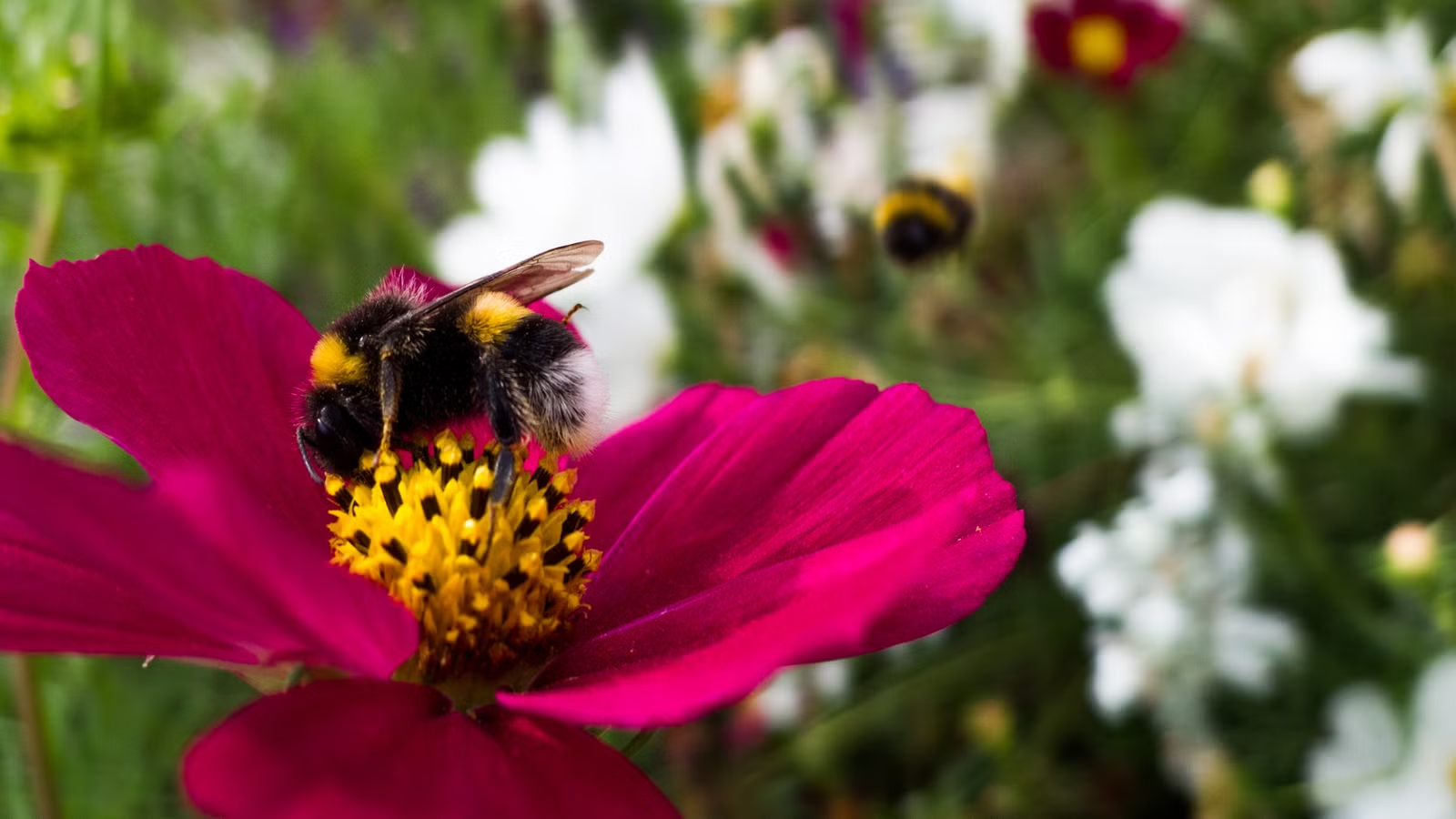
Roses contribute to ecosystem balance by attracting pollinators such as bees, butterflies, and other insects that play a critical role in plant reproduction and biodiversity maintenance, and by supporting these pollinators, roses indirectly contribute to food chain stability and agricultural productivity, while also enhancing soil health and microclimate conditions in garden environments, showing that roses are not isolated ornamental plants but active participants in ecological systems that support broader environmental health.
🌹 Conclusion
The rose is not simply a decorative flower but a highly advanced biological organism that combines structural engineering, chemical communication, ecological interaction, and cultural symbolism into one living system, and its ability to represent human emotions while also serving critical ecological and biological functions makes it one of the most important and universally recognized plants in the world, bridging the gap between science and emotion in a way very few natural organisms can achieve.
❓ FAQ
1. Why are roses considered special flowers?
Because they combine beauty, fragrance, symbolism, and biological complexity in one plant.
2. How do roses get their colors?
Through plant pigments like anthocyanins and carotenoids controlled by genetics.
3. Why do roses have thorns?
To protect the plant from animals and environmental damage.
4. Can roses grow in all climates?
They can adapt, but they perform best in moderate climates with proper sunlight.
5. What is the main use of roses today?
They are used in decoration, perfumes, medicine, and emotional expression.

Leave a Reply