
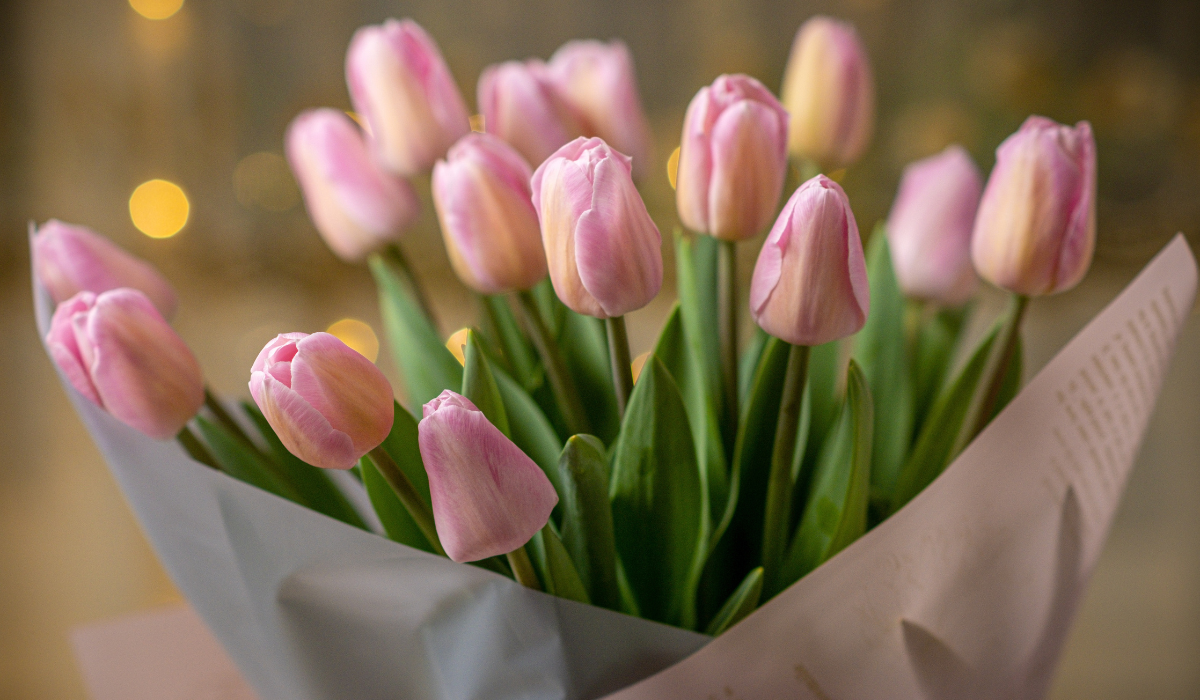
The tulip is one of the most elegant and historically powerful flowers in the world, known for its smooth cup-shaped petals, clean symmetrical structure, and intense color variations that range from soft pastels to deep vibrant shades, but beyond its beauty, the tulip holds a very unique place in human history because it was once responsible for one of the world’s first recorded economic bubbles known as “Tulip Mania,” making it not only a botanical specimen but also a symbol of economic psychology, human desire, and market behavior.
🌿 Botanical Structure and Scientific Design of Tulip
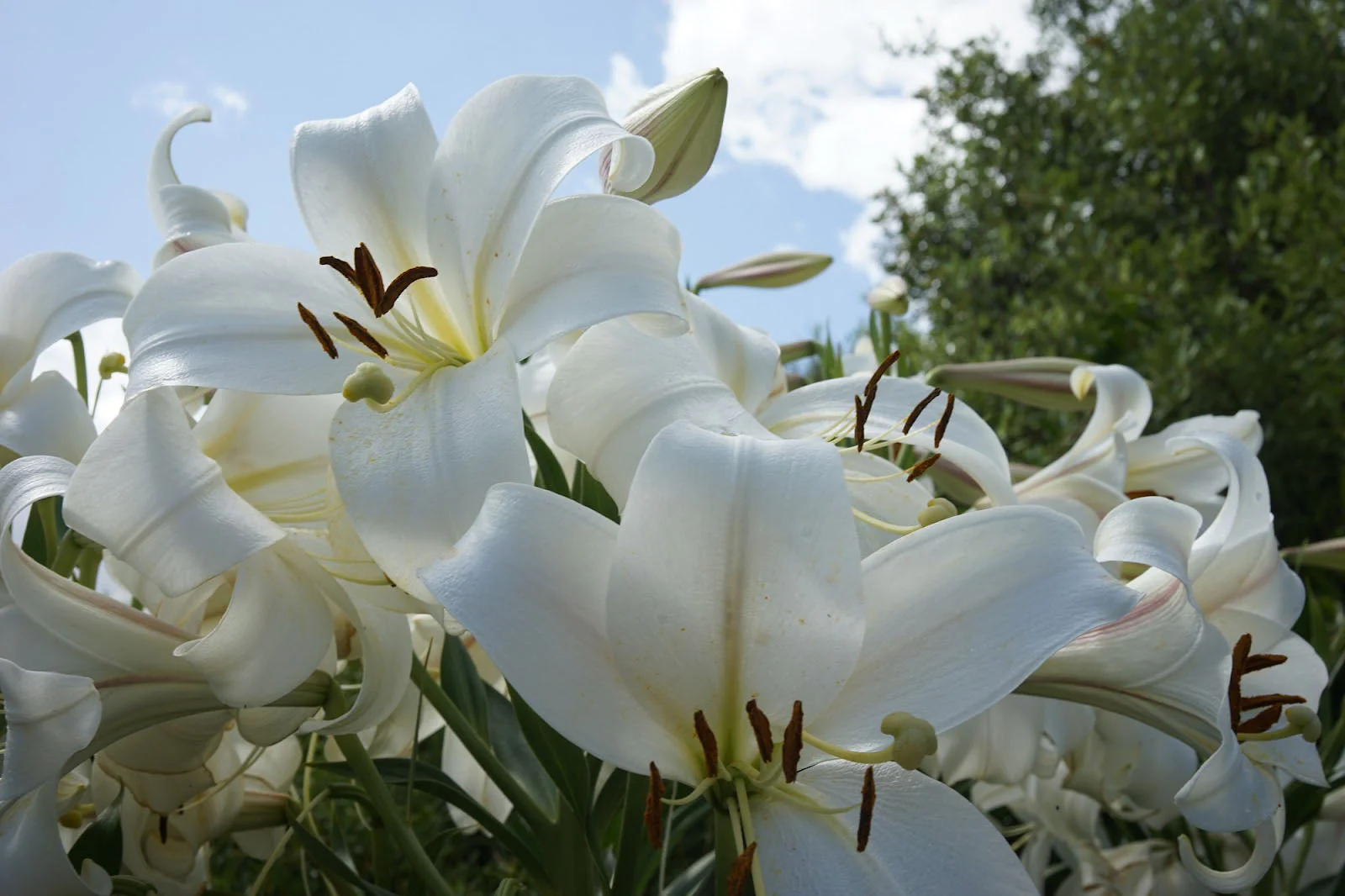
The tulip belongs to the genus Tulipa, which is part of the lily family, and it is a bulbous perennial plant, meaning it grows from an underground storage organ called a bulb that stores nutrients and energy during dormant seasons, allowing the plant to survive harsh weather conditions and regrow each year, and the tulip plant itself consists of long, smooth leaves that grow from the base, a single upright stem, and a cup-shaped flower that opens under sunlight, and what makes its structure scientifically interesting is its simplicity, because unlike many complex flowers, the tulip is built with minimal components but highly efficient reproductive design, where the petals are both protective and attractive, while the inner reproductive organs are positioned to maximize pollination efficiency.
🌷 Life Cycle and Growth Process of Tulip
The life cycle of a tulip begins with a bulb, which is a compact underground storage system containing all the nutrients required for growth, and when environmental conditions such as temperature and soil moisture become suitable, the bulb activates biological processes that lead to root formation followed by shoot emergence, and the plant then grows upward during a vegetative phase where leaves develop and absorb sunlight for energy production, and after a period of growth and cold exposure known as vernalization, the tulip enters its flowering stage, where a bud forms at the tip of the stem and gradually opens into a colorful cup-shaped flower, and after blooming, the flower eventually dies back while the bulb stores energy again for the next growth cycle.
🌞 Why Tulips Bloom in Specific Seasons
Tulips are highly seasonal flowers that depend on temperature changes to trigger their growth cycle, and they require a cold period during winter called vernalization, which is essential for activating the flowering mechanism inside the bulb, and once spring arrives and temperatures begin to rise, the stored energy in the bulb is released, allowing rapid stem growth and flower formation, and this biological adaptation ensures that tulips bloom at a time when environmental conditions are most favorable for pollination, sunlight availability, and seed development, showing how deeply plants are connected to seasonal climate patterns.
🎨 Color Science and Visual Beauty of Tulips
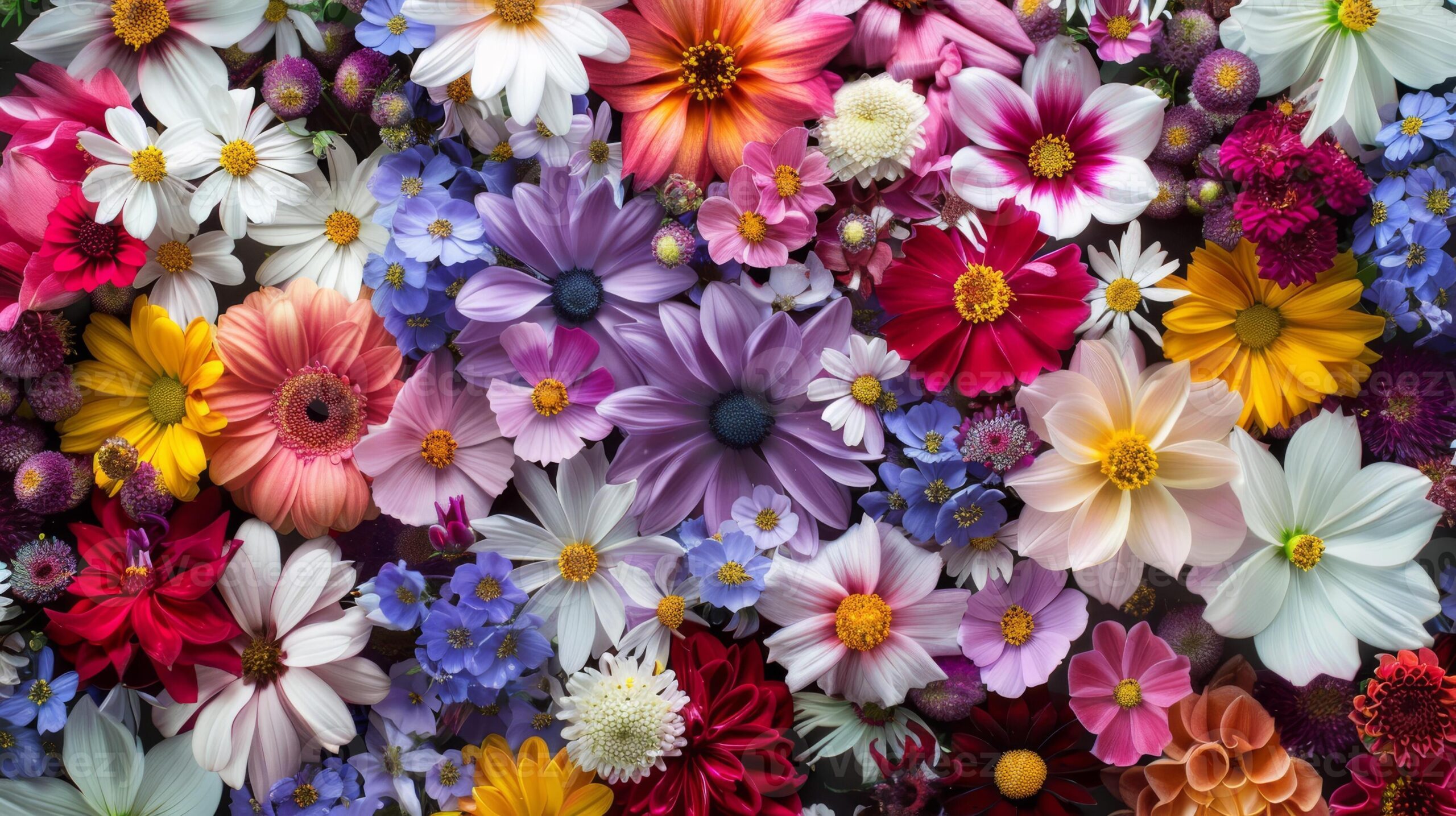
The wide variety of tulip colors is the result of genetic variation and pigment distribution within the petals, where compounds like anthocyanins produce red, purple, and pink shades, while carotenoids contribute to yellow and orange tones, and some tulips even display mixed or gradient colors due to complex genetic interactions, making them one of the most visually diverse flowering plants, and this color variation is not only aesthetic but also functional, as different colors help attract different types of pollinators in various environmental conditions, ensuring successful reproduction across regions.
💰 Tulip Mania: The First Economic Bubble in History
One of the most fascinating aspects of tulip history is the event known as Tulip Mania, which occurred in the Netherlands during the 17th century, where tulip bulbs became so highly valued that they were traded at extremely high prices, sometimes even worth more than houses, and this was not due to their biological value but rather due to social perception, rarity, and speculative trading behavior, and eventually the market collapsed when prices became unsustainable, making Tulip Mania one of the earliest recorded examples of a financial bubble in human history, and it is still studied today in economics as a lesson in market psychology, irrational behavior, and speculative risk.
🌍 Cultural and Symbolic Meaning of Tulips
Tulips carry deep symbolic meanings across different cultures, where they are often associated with perfect love, elegance, and simplicity, and in Persian poetry, tulips are linked with themes of passion and sacrifice, while in Turkish culture they are considered a symbol of paradise and spiritual beauty, and in modern Western culture, tulips are widely used in celebrations, weddings, and decorative gardens to represent new beginnings and emotional purity, showing how a simple flower has developed rich cultural interpretations across different regions of the world.
🌱 Cultivation and Growing Conditions of Tulips
Tulips require specific growing conditions to thrive, including well-drained soil, moderate moisture, and exposure to full or partial sunlight, and they are typically planted in autumn so that they can undergo the required cold period during winter, which is essential for flower development, and gardeners often plant bulbs at specific depths to protect them from frost while ensuring proper root development, and once they bloom in spring, tulips produce a short but visually intense flowering period, after which the plant enters dormancy, making them one of the most seasonal but highly rewarding ornamental flowers to grow.
🐝 Ecological Role of Tulips in Nature
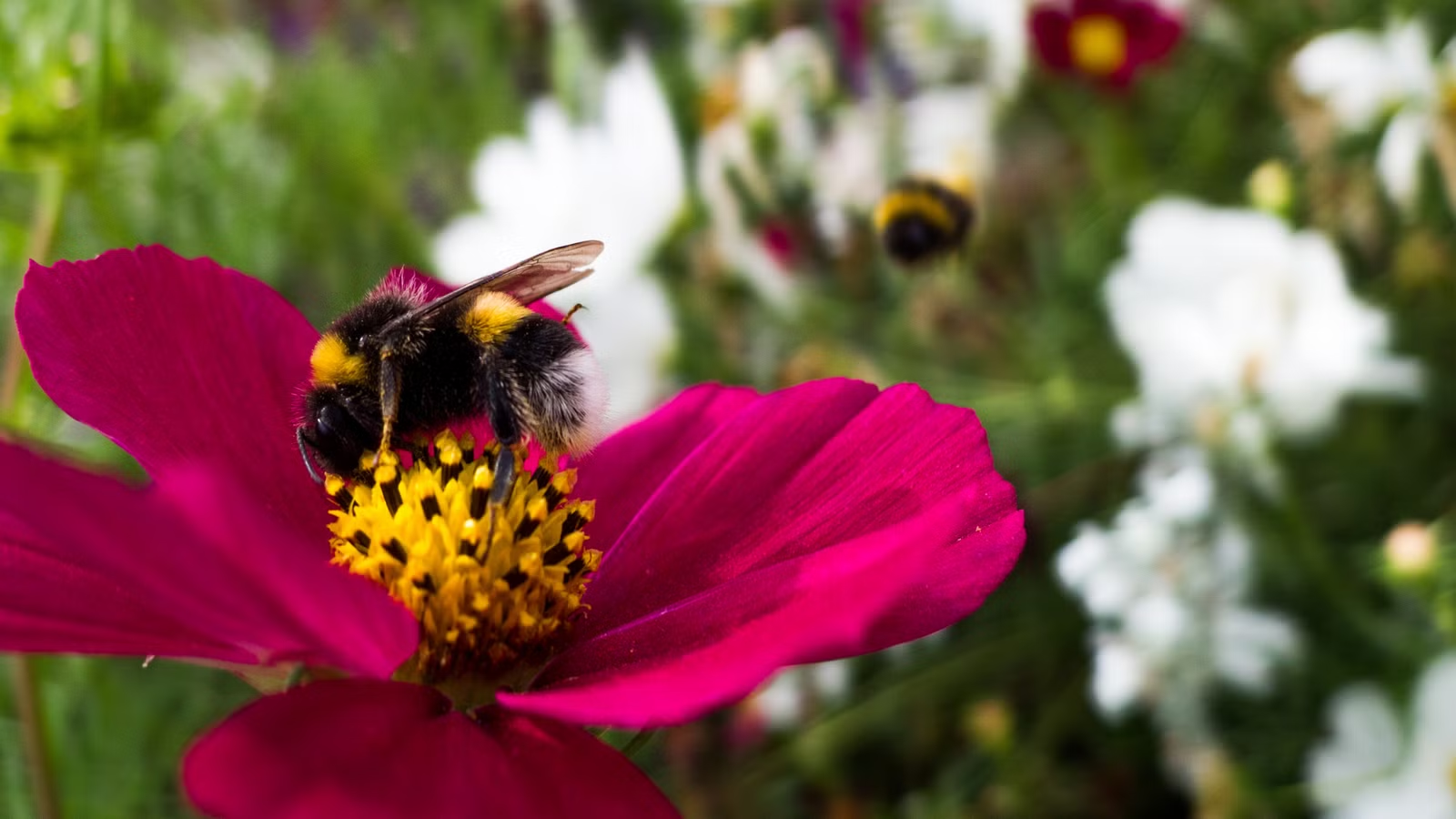
Although tulips are not the most dominant ecological flowers, they still play an important role in supporting early-season pollinators such as bees, which rely on early spring blooms for nectar and pollen after winter, and tulips contribute to biodiversity in garden ecosystems by providing food sources during critical periods when few other flowers are available, making them an important part of seasonal ecological cycles in temperate climates.
🌷 Conclusion
The tulip is a flower that combines biological simplicity with historical complexity, because while it appears visually minimalistic in structure, it carries one of the richest human stories involving science, economics, culture, and psychology, and its ability to bloom seasonally, display vibrant colors, and influence human history makes it one of the most unique flowers in the world, representing both natural beauty and human emotional behavior in a single living form.
❓ FAQ
1. Why do tulips only bloom in spring?
Because they require a cold winter period (vernalization) before flowering.
2. What is Tulip Mania?
It was a 17th-century economic bubble in the Netherlands involving extremely high tulip bulb prices.
3. Are tulips easy to grow?
They are moderately easy but require specific seasonal conditions.
4. Why do tulips have so many colors?
Due to genetic variation and different pigment combinations.
5. How long do tulips bloom?
Usually a few weeks in spring before they enter dormancy.

Leave a Reply